

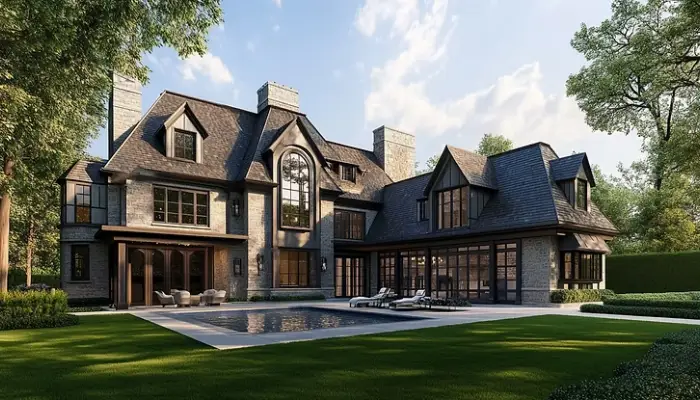
In an era where first impressions are everything, architectural animation services have emerged as a game-changer in the world of design and real estate. Gone are the days of static blueprints and flat renderings; today’s clients crave dynamic visuals that bring their dreams to life. These animations paint vivid pictures of spaces yet to be built, allowing stakeholders to experience projects long before they break ground. But what exactly makes these services stand out? Let’s dive into the transformative power of architectural animation and explore why it has become an essential tool for architects, developers, and marketers alike.
The Benefits of Using Architectural Animation Services
Architectural animation services offer a dynamic way to visualize projects. They breathe life into static blueprints, making designs more relatable and engaging for clients.
One major benefit is enhanced communication. Animations provide a clear representation of the vision, allowing stakeholders to grasp complex concepts easily. This clarity can lead to fewer misunderstandings during the project lifecycle.
Another advantage is marketing potential. High-quality animations can captivate prospective buyers or investors while showcasing key features effectively. It’s an excellent tool for real estate presentations and promotional materials.
Additionally, these visualizations help in identifying design flaws early on. By seeing the building in motion, architects can pinpoint issues that may not be obvious in traditional drawings.
Architectural animations evoke emotions by illustrating how spaces feel when inhabited. This emotional connection can significantly impact decision-making for clients looking at new developments or renovations.
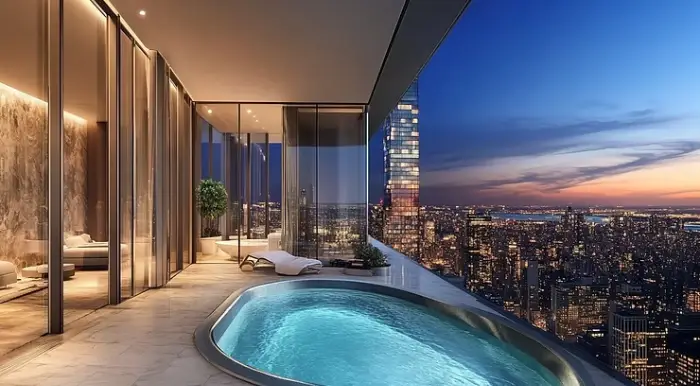
Types of Architectural Animations
Architectural animations come in various forms, each serving a distinct purpose. One popular type is the walkthrough animation. This allows viewers to virtually explore a space, giving them a sense of scale and flow.
Another compelling option is the flyover animation. It provides an aerial perspective of a project, showcasing its relationship with the surrounding environment. This type often enhances site planning presentations.
For those looking to highlight specific features, 3D visualization animations are ideal. These focus on intricate details like materials and lighting effects, making designs more tangible.
Additionally, there are conceptual animations that present initial ideas or unbuilt projects. They help stakeholders visualize potential developments before construction begins.
Each style has unique strengths that can elevate your project’s presentation and engagement levels significantly.
The Process of Creating an Architectural Animation
Creating an architectural animation is a detailed and creative process that begins with conceptualization. Designers work closely with architects to understand the vision and objectives of the project.
Next, they gather all necessary materials, including sketches, blueprints, and 3D models. This step ensures accuracy and authenticity in every frame.
Once the assets are ready, animators start crafting a storyboard. This visual outline helps map out key scenes, transitions, and camera angles that will best showcase the design.
After storyboarding comes modeling. Skilled artists bring structures to life using specialized software. Texturing follows suit to add realism through color, lighting effects, and surface finishes.
Sound design enhances the experience by incorporating ambient sounds or narration. The finished product captivates viewers by seamlessly blending visuals with engaging audio elements—bringing architectural dreams into vivid reality.
Examples of Successful Projects Utilizing Architectural Animation Services
Architectural animation services have transformed numerous projects, bringing designs to life with stunning visuals. One notable example is the redevelopment of an urban waterfront. The animations showcased vibrant public spaces and green areas, captivating stakeholders and community members alike.
Another successful project involved a luxury residential development. High-quality animations highlighted interiors and exteriors, emphasizing lifestyle benefits. Potential buyers could envision their future homes before construction even began.
In commercial real estate, architectural animations played a crucial role in persuading investors for a new office complex. Dynamic fly-throughs illustrated traffic flow and accessibility, enhancing confidence in the project’s viability.
These examples underscore how powerful visual storytelling can impact perceptions and decisions across various sectors within architecture. Each project tells its own unique story through detailed animations that engage audiences on multiple levels.
How to Choose the Right Architectural Animation Service for Your Project?
Selecting the right architectural animation service requires careful consideration. Start by assessing your project needs. Identify whether you need a walkthrough, flyover, or other types of animations.
Next, review portfolios of potential service providers. Look for quality and style that resonates with your vision. A strong portfolio demonstrates their ability to translate concepts into engaging visual narratives.
Consider client reviews and testimonials as well. Feedback from previous clients can reveal insights about reliability and communication skills.
Don’t forget to discuss timelines and budgets up front. Clear expectations help avoid misunderstandings later on.
Ensure they use up-to-date technology in their work. Advanced tools can significantly enhance the quality of the final product, making it more captivating for viewers.
Conclusion
Investing in architectural animation services can significantly elevate your project. These visual tools not only help convey ideas clearly but also engage clients and stakeholders on a deeper level. High-quality animations bring designs to life, allowing everyone involved to visualize the final product long before ground is broken.
As the real estate market becomes more competitive, standing out is essential. Architectural animations provide an edge by showcasing innovative designs in an appealing way. They can simplify complex concepts and highlight key features that might otherwise go unnoticed.
Moreover, these services are versatile. Whether you’re looking for exterior walkthroughs or intricate interior scenes, architectural animation can adapt to suit various needs and audiences.
Choosing this service means investing in clarity, marketing potential, and overall project success. It’s about making sure every detail shines through while sparking excitement among viewers. With proven benefits like enhanced communication and increased interest from prospective buyers or investors, it’s clear why many professionals are turning to architectural animation as part of their strategy.

Earle Garza is an Alabama-based health expert and writer with years of experience in the health and wellness field. He obtained his degree in nutrition science from the University of Alabama and has worked in various health clinics and spas throughout the Southeast, providing nutrition and lifestyle advice to clients. Earle is passionate about promoting healthy habits through nutrition and sharing his knowledge through his blog, which provides practical tips on leading a healthy lifestyle.