


The white chocolate bar is a confectionery delight that has captivated chocolate lovers for decades. Unlike traditional milk and dark chocolate, white chocolate has a creamy, smooth texture and a distinctive sweetness that sets it apart. While it may not contain cocoa solids like its darker counterparts, the white chocolate bar has a rich history and has undergone significant evolution over the years. From its invention to modern innovations, the journey of the white chocolate bar is a fascinating story of taste, texture, and transformation.
The Origins Of White Chocolate
The history of the white chocolate bar dates back to the early 20th century. The creation of white chocolate was initially a way to utilize excess cocoa butter, a byproduct of cocoa bean processing. By blending cocoa butter with milk and sugar, chocolatiers created a unique and creamy confection that differed significantly from traditional chocolate.
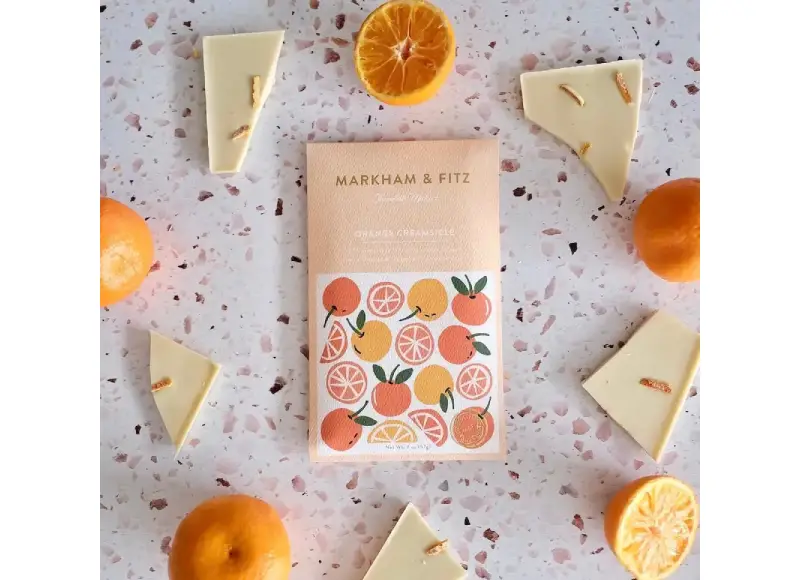
How White Chocolate Differ From Other Chocolates?
One of the key distinctions between a white chocolate bar and traditional chocolate is its composition. While milk and dark chocolate contain cocoa solids, white chocolate is made primarily from cocoa butter, sugar, and milk solids. The absence of cocoa solids means white chocolate lacks the bitter taste associated with dark chocolate and the slightly cocoa-infused flavor of milk chocolate. Instead, it offers a smooth and creamy texture with a sweet, buttery taste. This unique composition has made the white chocolate bar a favorite for those who enjoy a milder, more delicate chocolate experience.
The Rise Of White Chocolate In Confectionery
After its initial introduction, the white chocolate bar steadily gained recognition in the confectionery industry. By the mid-20th century, major chocolate manufacturers had begun incorporating white chocolate into their product lines. The versatility of white chocolate also made it an ideal ingredient for baking and dessert-making, leading to its widespread use in various sweet treats, from cookies to cakes.
The Role Of White Chocolate In Gourmet And Artisanal Chocolates
In recent decades, the white chocolate bar has evolved beyond mass-produced confectionery and has become a staple in gourmet and artisanal chocolates. High-end chocolatiers have experimented with white chocolate by incorporating premium ingredients such as vanilla beans, caramel, and exotic spices. Additionally, the demand for high-quality, ethically sourced cocoa butter has led to the rise of craft white chocolate bars made with superior ingredients. Many artisanal brands now focus on creating balanced flavors, reducing excessive sweetness, and enhancing the natural creaminess of white chocolate.
Health Considerations And Nutritional Aspects Of White Chocolate
While white chocolate bars are undeniably delicious, they have been the subject of debate regarding their nutritional value. Due to their high sugar and fat content, they are often considered less healthy compared to dark chocolate, which contains antioxidants and flavonoids. However, recent developments in chocolate production have led to healthier variations of white chocolate. Some brands now offer reduced-sugar or high-protein white chocolate bars, catering to health-conscious consumers. Additionally, white chocolate made with natural sweeteners and organic ingredients provides a better alternative for those looking for a more wholesome treat.
Innovations And Modern Trends In White Chocolate Bars
The evolution of the white chocolate bar has been marked by numerous innovations. With the rise of flavored chocolates, white chocolate has become a canvas for creative combinations. Today, consumers can find white chocolate bars infused with matcha, fruit flavors, nuts, and even spices like chili or cinnamon. The popularity of ruby chocolate, a relatively new variety with a pink hue, has also influenced the development of unique white chocolate blends. Furthermore, vegan white chocolate, made using plant-based milk alternatives, has gained traction as more people seek dairy-free options.
The Global Popularity Of White Chocolate
White chocolate bars have found their place in the global confectionery market, with different regions embracing them in unique ways. In Europe, countries like Switzerland and Belgium are known for their premium white chocolate products. In the United States, white chocolate is often used in popular candy bars. Asian markets have also shown a growing interest in white chocolate, particularly in Japan, where innovative flavors and textures are frequently introduced. The ability of white chocolate to pair well with a variety of ingredients has contributed to its worldwide appeal.
The Future Of White Chocolate Bars
As the demand for diverse and high-quality chocolate products continues to grow, the white chocolate bar is poised for further evolution. Sustainable sourcing of cocoa butter, ethical production practices, and a focus on reducing sugar content will shape the future of white chocolate. Additionally, as consumers seek more unique and health-conscious options, the industry is likely to develop new formulations that retain the creamy richness of traditional white chocolate while incorporating innovative ingredients. The fusion of white chocolate with superfoods, organic ingredients, and low-calorie sweeteners may redefine its role in the confectionery world.
Conclusion
The history and evolution of the white chocolate bar reflect the dynamic nature of the chocolate industry. From its Swiss origins in the to its current status as a gourmet and mainstream treat, white chocolate has come a long way. Its versatility, smooth texture, and ability to adapt to changing consumer preferences ensure that it will remain a beloved confection for years to come. Whether enjoyed as a simple bar, an ingredient in desserts, or part of a gourmet chocolate collection, the white chocolate bar continues to be a sweet indulgence that delights chocolate enthusiasts worldwide.
Resource URL:
https://markhamandfitz.com/collections/white-chocolate
https://en.wikipedia.org/wiki/White_chocolate

Audrey Shafer is a seasoned writer specializing in the dynamic world of business. With a keen analytical mind and a passion for entrepreneurship, Audrey delves into diverse topics ranging from startups to corporate strategy.