

Building a custom PC requires knowledge, attention to detail, and the right tools and supplies. If you’re ready to get started on your first PC build, you’ll need to prepare to have the necessary tools and supplies at your fingertips. In this guide, we’ll go over the best tools and supplies to get before you begin building a custom PC. From screwdrivers and screw sets to multimeters and cleaning supplies, we’ll cover the essential range of items you will need to complete a smooth, efficient build process.
Essential Components for Building a Custom PC
Building your own canada custom pc can be an exciting and rewarding experience. You’ll be able to select the exact components that will allow you to build the most powerful and efficient machine for your needs. Before you start, you’ll need to equip yourself with the right hardware and supplies to make sure your custom PC build is successful. From the essential components like a motherboard and processor to the various optional components and hardware that can enhance the performance and look of your custom PC, make sure you have the following on hand before you begin.
The Basics of Building a Custom PC
For those looking to take the plunge and build your own custom PC, the first thing to do is make sure you understand the basics of hardware setup and installation. Begin by researching the components you’ll need to build your PC. This includes researching motherboards, CPUs, RAM, storage devices, cases, and the various cables and connectors needed to properly assemble the PC. Once you’ve acquired the parts, you’ll need to assemble the components. During this step, you may have to remove components from their packaging and install them correctly in their slots on the motherboard.
Choosing the Right Motherboard for Your Custom PC
The motherboard is a crucial component of a PC, as it contains the slots and connectors that allow you to install and control the other components. You’ll want to make sure the motherboard you choose is compatible with your processor, as this is the most important factor when building a custom PC. This is especially important if you plan to Overclock the processor, as incompatible motherboard can cause the system to become unstable.
Selecting the Ideal Processor for Your Custom PC
The processor is a major component of a custom PC, and the best processor is largely based on what you intend to do with the PC. For basic tasks like web browsing and word processing, a budget processor like Intel Core i3 would be good enough. However, if you plan on using the PC for gaming or intensive multimedia tasks, a more powerful processor like Intel Core i7 is highly recommended. Overclocking can also provide a boost to your processor’s performance, though it can also be risky if done improperly. Random Access Memory (RAM) is what allows your PC to multitask and store information temporarily while it is being used. RAM speeds have greatly improved in recent years, so look for fast DDR4 RAM with high frequencies to get the most out of your PC.
Storage Devices for Your Custom PC
Your custom PC will need to have a place to store information. This is where having a storage device comes into play. You can choose between traditional hard drives and newer solid-state drives (SSDs). While hard drives are still popular for their large storage capacity and low cost, SSDs have become increasingly popular due to their fast speeds and reliability. Depending on your budget, you may want to consider a hybrid storage device that combines a hard drive with an SSD to get the best of both worlds.
Additional Connectivity Options and Components for a Custom PC
If you want to connect other peripherals like a monitor, mouse, and keyboard to your custom PC, you’ll need to equip your machine with additional components. Look for a motherboard that supports video outputs like HDMI, DisplayPort, and DVI. Plus, make sure the motherboard has the necessary ports for connecting other input/output (I/O) devices like a network card, sound card, and USB ports.
Essential Cables and Connectors for a Custom PC
The cables and connectors you’ll need to build your custom PC include an ATX 24-pin power connector and an 8-pin CPU power cable. For video, look for a VGA cable and DVI or HDMI cables. Plus, you’ll need to have internal and external SATA cables for connecting your storage device.
Recommended Cases and Cooling Solutions for Your Custom PC
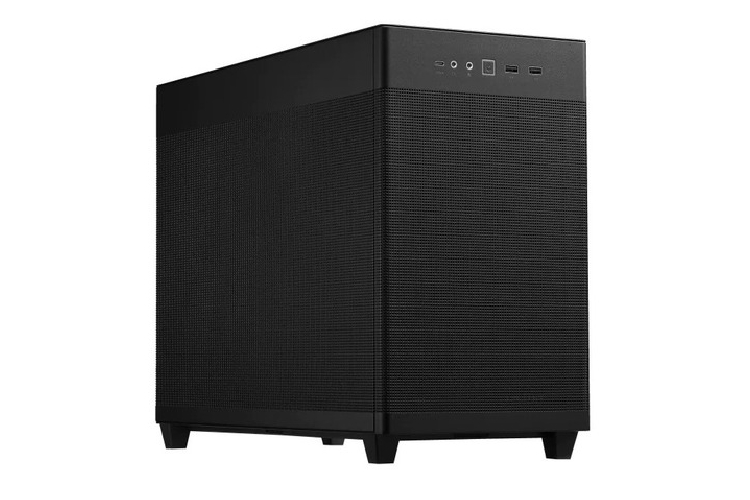
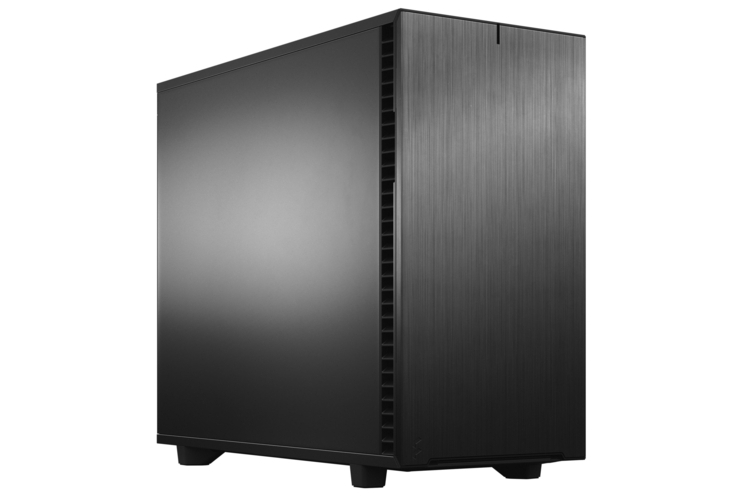
To protect and house your custom PC components, you’ll need a proper case. Look for cases that offer plenty of room and are well-ventilated to keep things cool. Additionally, consider investing in a good cooler for your processor. Cooling is essential when overclocking as it can help keep temperatures low and prevent the processor from becoming unstable.
Finalizing Your Custom PC – Choosing the Right Operating System and Accessories
Once your custom PC is built, the last step is to load an operating system. Windows is the most popular operating system for most PCs, and there are plenty of other options such as macOS and Linux as well. These can include mice, keyboards, game controllers, and other peripherals. Some PC builders might also choose to install an extra fan or a custom look to their PC. Finally, don’t forget about things such as antivirus and other software utilities to keep your PC running smoothly. By taking the time and effort to understand the components needed for a custom PC build and gathering the necessary materials, you’ll be able to construct the ideal machine for your needs.
Conclusion
Building your own custom PC is a rewarding and exciting experience. Take the time to research the components you need, practice proper assembly techniques, and don’t forget to consider the tools and supplies that will make the task easier. With the right tools and supplies, you’ll have the confidence to build your ideal custom PC, allowing you to enjoy the ultimate computing experience.

Earle Garza is an Alabama-based health expert and writer with years of experience in the health and wellness field. He obtained his degree in nutrition science from the University of Alabama and has worked in various health clinics and spas throughout the Southeast, providing nutrition and lifestyle advice to clients. Earle is passionate about promoting healthy habits through nutrition and sharing his knowledge through his blog, which provides practical tips on leading a healthy lifestyle.