

Shoreline erosion is a growing concern for coastal communities worldwide. The degradation of shorelines can lead to the loss of land, damage to ecosystems, and even endanger critical infrastructure. One of the most effective solutions for combating erosion and preserving coastlines is the use of hydraulic dredges in shoreline protection projects. Hydraulic dredges have become indispensable tools in these efforts, offering both environmental and economic benefits. In this article, we will explore why hydraulic dredges are essential for shoreline protection projects, detailing their functionality, advantages, and impact on coastal sustainability.
What Is A Hydraulic Dredge?
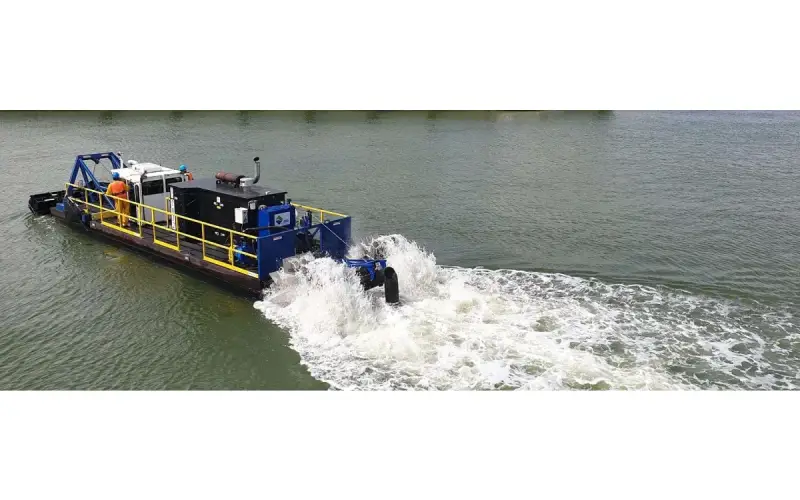
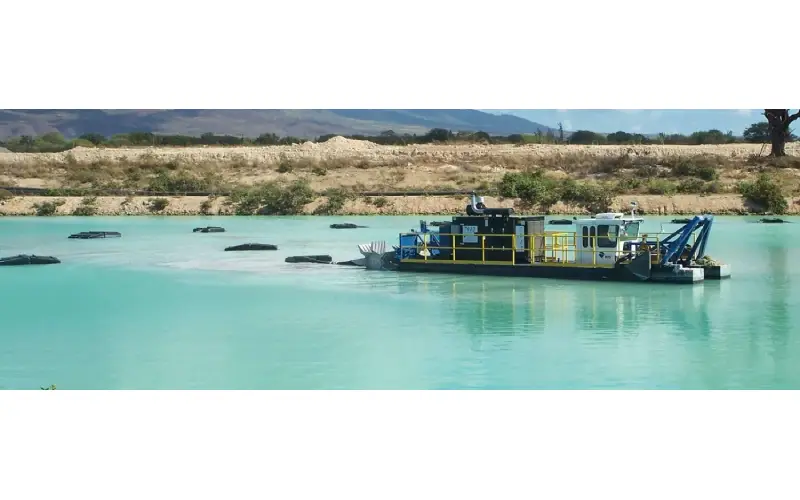
A hydraulic dredge is a powerful machine used to excavate and transport material, typically sediment, from the bottom of water bodies such as rivers, lakes, and oceans. It works by using a pump to create suction and move sediment through a pipeline to a designated location. The dredged material can be used for various purposes, including creating landforms, replenishing beaches, or protecting shorelines from further erosion.
How Hydraulic Dredges Contribute To Shoreline Protection?
Hydraulic dredges play a crucial role in shoreline protection projects by helping to manage and restore coastal environments. Shoreline erosion occurs when wave action, currents, and human activities erode the land along the coast, causing beaches to shrink and protective habitats to disappear. Dredging helps address these issues in several ways:
1. Beach Nourishment and Replenishment
One of the primary uses of hydraulic dredges in shoreline protection is for beach nourishment. Dredged material is used to replenish eroded beaches, adding sand and other sediments to the shoreline. The process involves dredging material from offshore areas and depositing it on eroded beaches, creating a buffer zone that absorbs wave energy, reducing the impact of storms and preventing further erosion. This is particularly important for coastal areas that rely on tourism and natural habitats that are threatened by loss of land. Hydraulic dredges are capable of moving large volumes of material over long distances, making them ideal for beach nourishment projects. The addition of new material strengthens the beach, ensuring its longevity and protecting nearby structures from storm surges.
2. Shoreline Stabilization
Shoreline stabilization is another key function of hydraulic dredges. Over time, natural forces and human activities, such as boating, development, and industrial projects, contribute to the weakening of shorelines. Hydraulic dredging can stabilize the shoreline by removing accumulated debris, restoring sediment levels, and replenishing vital habitats. In some cases, dredging may be used to create or restore natural coastal features, such as sandbars, that act as protective barriers for the shoreline. These features reduce the speed and intensity of waves that reach the shore, acting as a first line of defense against erosion.
3. Habitat Restoration
In addition to protecting human infrastructure, hydraulic dredges play an essential role in restoring habitats that are vital for wildlife. Coastal ecosystems, including salt marshes, mangroves, and seagrass beds, provide essential services like water filtration, nutrient cycling, and habitat for marine life. Dredging can help restore these ecosystems by removing harmful contaminants and introducing clean sediments to foster the growth of aquatic plants. By using hydraulic dredges, coastal areas can regain critical habitats that support biodiversity and contribute to the overall health of the marine environment. The dredged material can also be used to restore habitats along the shoreline, enhancing the resilience of ecosystems to changing environmental conditions.
4. Flood Control and Protection of Infrastructure
In areas prone to flooding, hydraulic dredging can be used as part of a broader flood control strategy. By deepening and widening channels or removing sediment buildup, dredging helps increase water flow, reducing the risk of flooding during storms or high tides. This can be particularly valuable in urban coastal areas where infrastructure, such as roads, bridges, and buildings, are at risk of being submerged. Moreover, dredging can help reduce the impact of storm surges by strengthening coastal defenses and preventing the overtopping of seawalls or other barriers. This provides additional protection to critical infrastructure and ensures the continued safety of communities living near the coast.
Advantages Of Using Hydraulic Dredges For Shoreline Protection
Hydraulic dredges offer several advantages in shoreline protection projects, making them a preferred tool for coastal engineers and environmental planners. Some of these key benefits include:
1. Efficiency and Precision
Hydraulic dredges are highly efficient, capable of dredging large amounts of material quickly and with precision. The hydraulic system allows operators to control the amount of material being dredged and ensure that the correct type of sediment is deposited in the desired location. This precision helps prevent environmental damage and ensures that the dredged material is used effectively for shoreline restoration.
2. Minimal Environmental Impact
Compared to traditional mechanical dredging methods, hydraulic dredges have a relatively low environmental impact. The suction method used in hydraulic dredging minimizes disruption to the surrounding ecosystem and reduces the release of harmful sediments into the water. This makes hydraulic dredging an environmentally friendly option for shoreline protection projects. Additionally, hydraulic dredges can operate in shallow and deep waters, making them versatile for different coastal conditions. Their ability to remove sediment efficiently and accurately without disturbing the environment is a major advantage in sensitive coastal areas.
3. Cost-Effectiveness
Although hydraulic dredges require significant upfront investment, their efficiency and ability to complete large-scale projects quickly make them a cost-effective solution in the long run. The ability to transport sediment over long distances without the need for additional equipment or personnel makes hydraulic dredging more affordable compared to other methods of shoreline restoration. The cost savings are particularly evident in large-scale projects, such as those aimed at restoring entire beaches or protecting extensive stretches of coastline.
4. Long-Term Benefits for Coastal Resilience
Hydraulic dredging contributes to the long-term resilience of coastal areas. By restoring beaches, stabilizing shorelines, and improving habitats, dredging projects help ensure that coastlines are better able to withstand the effects of climate change and extreme weather events. These projects are investments in the future of coastal communities, protecting them from the escalating risks of erosion, flooding, and loss of land.
Conclusion
Hydraulic dredges are indispensable tools for shoreline protection projects. Their versatility, efficiency, and environmental benefits make them a key component in maintaining and restoring coastal ecosystems. By using hydraulic dredging to replenish beaches, stabilize shorelines, and restore habitats, we can mitigate the impact of shoreline erosion and ensure the continued health of our coastal environments. Whether for protecting infrastructure, supporting local economies, or conserving biodiversity, hydraulic dredges play a pivotal role in the fight against coastal erosion. As the challenges posed by climate change and rising sea levels continue to escalate, the importance of hydraulic dredging in shoreline protection will only increase. By harnessing the power of hydraulic dredges, we can secure the future of our shorelines and protect them for generations to come.

Audrey Shafer is a seasoned writer specializing in the dynamic world of business. With a keen analytical mind and a passion for entrepreneurship, Audrey delves into diverse topics ranging from startups to corporate strategy.