

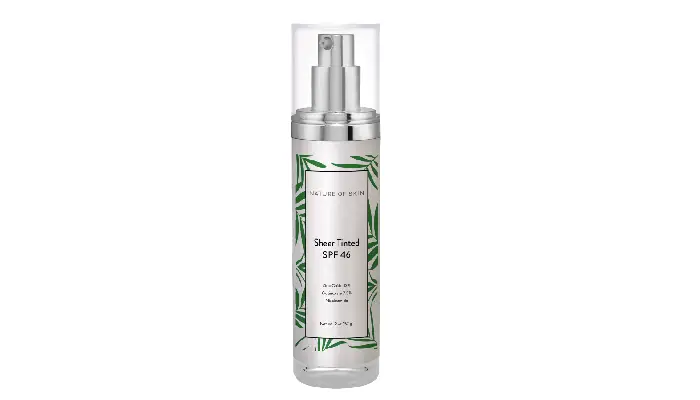
Sunscreen skin care products work by either absorbing or reflecting UV rays before they can penetrate the skin. There are two main types of UV radiation: UVA and UVB. UVA rays penetrate deeply into the skin and are primarily responsible for aging effects, such as wrinkles and dark spots, while UVB rays cause superficial damage, leading to sunburn. Sunscreens contain active ingredients like zinc oxide, titanium dioxide, or chemical filters such as avobenzone and octinoxate that help block or neutralize these rays. By forming a protective layer over the skin, sunscreen reduces the likelihood of DNA damage, which can lead to skin cancers like melanoma. Additionally, sunscreen products often include antioxidants that combat free radicals, further enhancing skin defense against environmental aggressors.
Benefits Of Using Sunscreen Skin Care Products Regularly
Using sunscreen skin care products regularly provides a multitude of benefits beyond immediate sun protection. Firstly, they reduce the risk of developing skin cancer by preventing harmful UV radiation from damaging skin cells. Secondly, consistent use helps maintain an even skin tone by minimizing the appearance of sunspots and hyperpigmentation. Sunscreen also prevents the breakdown of collagen and elastin fibers in the skin, which are essential for maintaining firmness and elasticity. For those concerned about aging, sunscreen is a critical anti-aging tool, helping to prevent wrinkles and fine lines caused by sun exposure. Furthermore, many modern sunscreen products are enriched with moisturizing agents, making them effective in keeping the skin hydrated and supple throughout the day.
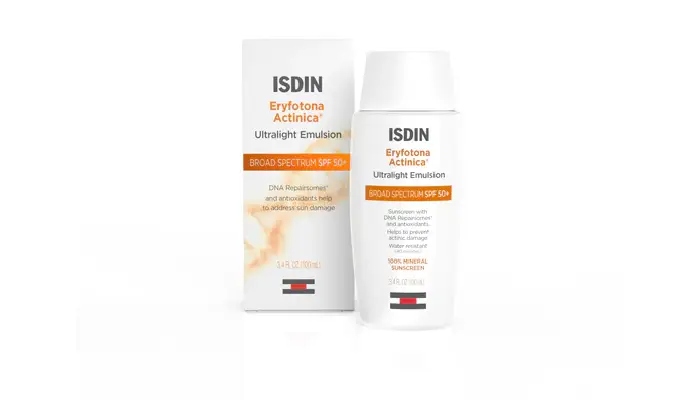
Best Sunscreen Skin Care Products For All Skin Types
Choosing the best sunscreen skin care products involves considering your skin type to ensure optimal protection and comfort. For oily or acne-prone skin, lightweight, non-comedogenic sunscreens are ideal as they won’t clog pores or exacerbate breakouts. People with dry skin can benefit from sunscreens infused with hydrating ingredients like hyaluronic acid and ceramides. Sensitive skin types should opt for mineral-based sunscreens with ingredients such as zinc oxide or titanium dioxide, which are less likely to cause irritation. Combination skin types may find gel-based or hybrid sunscreens most suitable. Popular brands like La Roche-Posay, Neutrogena, and CeraVe offer diverse options to cater to all skin types, ensuring everyone can find a sunscreen that meets their specific needs while providing broad-spectrum protection.
Ingredients To Look For In Sunscreen Skin Care Products
Understanding the ingredients in sunscreen skin care products can help you choose the most effective and suitable option for your needs. Broad-spectrum sunscreens, which protect against both UVA and UVB rays, often include active ingredients like zinc oxide and titanium dioxide in mineral formulas. For chemical sunscreens, look for avobenzone, oxybenzone, or octocrylene, as these effectively absorb UV radiation. Antioxidants like vitamin E, niacinamide, and green tea extract are frequently added to sunscreens to provide additional protection against free radical damage. Hydrating components such as glycerin, aloe vera, and hyaluronic acid enhance the moisturizing benefits of sunscreen, making it more versatile. Avoid products with fragrances and alcohol if you have sensitive skin, as these can cause irritation. Always check for an SPF of 30 or higher, as recommended by dermatologists for adequate protection.
Top Myths About Sunscreen Skin Care Products Debunked
Despite their importance, several myths about sunscreen skin care products persist, leading to misinformation and inadequate use. One common myth is that sunscreen is only necessary on sunny days; in reality, UV rays penetrate clouds, making daily application essential. Another misconception is that higher SPF values provide complete protection, but no sunscreen can block 100% of UV rays. SPF 50 offers only slightly more protection than SPF 30 and must be reapplied regularly. Some believe that darker skin tones do not need sunscreen, yet all skin types are susceptible to UV damage. A further myth is that sunscreen causes vitamin D deficiency; however, most people can achieve sufficient vitamin D levels through diet and incidental sun exposure. By understanding the facts, individuals can make informed decisions about incorporating sunscreen into their routines effectively.
How To Choose The Right Sunscreen Skin Care Products?
Selecting the right sunscreen skin care product involves evaluating your skin’s unique needs and lifestyle. Start by determining your skin type—whether it’s oily, dry, sensitive, or combination. Opt for a broad-spectrum sunscreen with at least SPF 30 to ensure comprehensive protection. If you’re active or frequently outdoors, water-resistant sunscreens are a better choice as they stay effective during sweating or swimming. For daily use, lightweight formulations that blend well with makeup or moisturizers can enhance convenience. Check the label for dermatologist-tested or hypoallergenic claims if you have sensitive skin. Pay attention to the sunscreen’s texture—lotions, sprays, sticks, and powders all have distinct applications, so choose one that fits your routine. Reading reviews and consulting dermatologists can further guide you in finding a product that aligns with your skin care goals.
Sunscreen Skin Care Products And Anti-Aging Benefits
Sunscreen skin care products are a cornerstone in the fight against premature aging. UV radiation is a major contributor to photoaging, characterized by wrinkles, fine lines, and loss of skin elasticity. By shielding the skin from UVA rays, sunscreen prevents collagen degradation and maintains the skin’s structural integrity. Regular use also reduces the risk of developing age spots and uneven skin tone caused by prolonged sun exposure. Many anti-aging sunscreens are fortified with additional ingredients like peptides, retinol, and antioxidants that promote skin repair and renewal. Using sunscreen consistently from an early age can significantly delay the visible signs of aging, ensuring a youthful and radiant complexion over time.
Conclusion
Incorporating sunscreen skin care products into your daily routine is a simple yet powerful step toward maintaining healthy and youthful skin. These products protect against harmful UV rays, reduce the risk of skin cancer, and prevent premature aging. By understanding the benefits and debunking common myths, you can make informed choices about the best products for your skin type and lifestyle. With the wide range of formulations available, there is a sunscreen suitable for everyone. Prioritizing sun protection is not just an investment in your appearance but a crucial measure for long-term skin health and overall well-being.

Audrey Shafer is a seasoned writer specializing in the dynamic world of business. With a keen analytical mind and a passion for entrepreneurship, Audrey delves into diverse topics ranging from startups to corporate strategy.