

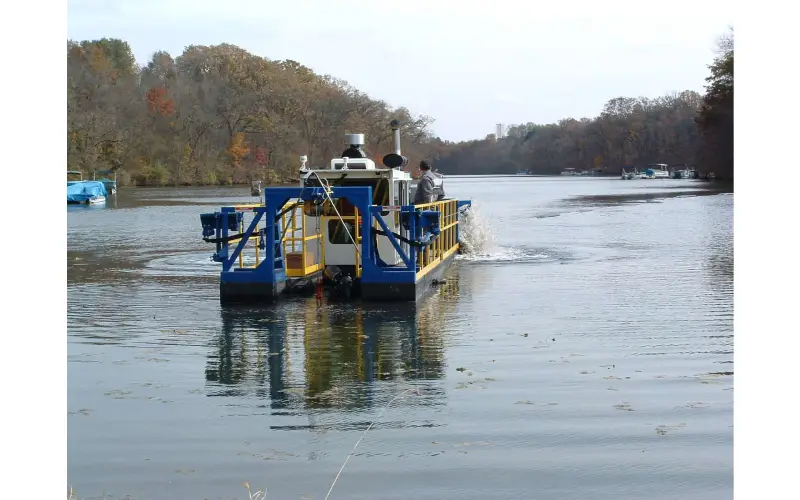
Lake ecosystems are complex, interconnected environments, home to a diverse range of species, including various fish, plants, and microorganisms. Over time, however, lakes can become susceptible to sedimentation, nutrient buildup, and declining water quality, which can harm aquatic life. In such cases, lake dredging, a process of removing excess sediments, debris, and pollutants from the lakebed, offers a significant solution. This process not only revitalizes the lake’s physical structure but also plays a crucial role in enhancing fish populations and boosting aquatic biodiversity.
Understanding Lake Dredging
Lake dredge is the mechanical removal of materials such as silt, sand, organic matter, and pollutants from the bottom of a lake or water body. It is often conducted to improve the water quality, restore navigability, and maintain the ecological balance of the lake. The technique involves using dredgers—large machines designed to excavate the lakebed and pump the sediment to the surface.
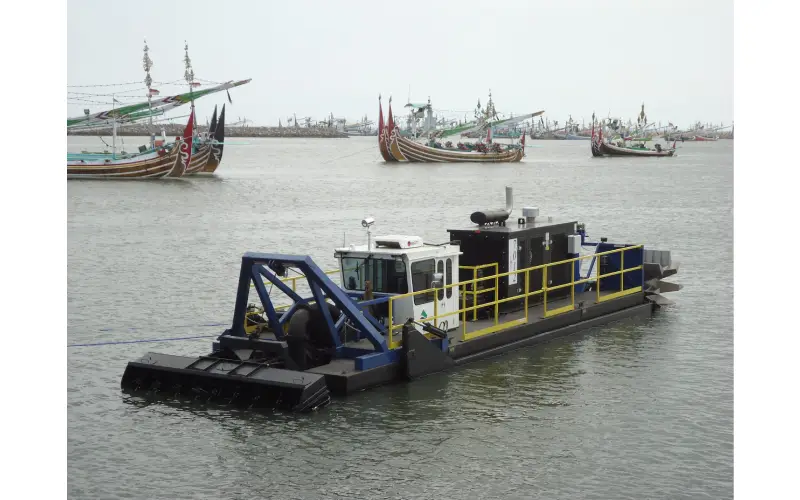
Dredging is especially important in areas where lakes have suffered from sediment accumulation, nutrient overloading, or pollution. The process may be necessary for several reasons, such as reducing the risk of flooding, improving recreational activities, and restoring natural habitats for aquatic species. But its most significant impact is on the health of the aquatic ecosystem, particularly for fish populations and biodiversity.
The Role Of Lake Dredging In Improving Fish Populations
Restoring Oxygen Levels in the Water
Fish and other aquatic organisms rely on a delicate balance of oxygen levels in the water to survive and thrive. When a lake becomes overly sedimented, the accumulated organic matter on the lakebed begins to decompose, consuming oxygen in the process. This can result in hypoxic conditions, where oxygen levels drop to a point where aquatic life, especially fish, cannot survive.
Dredging helps alleviate this problem by removing the excess sediment that harbors decaying organic matter. As a result, it reduces the chances of oxygen depletion, allowing the water to retain higher levels of dissolved oxygen, which is essential for fish respiration. Fish populations, particularly oxygen-dependent species, benefit from these improved conditions and can thrive in a healthier environment.
Removing Harmful Nutrients
Excessive nutrients like nitrogen and phosphorus, often originating from agricultural runoff, sewage, or urban development, can lead to algal blooms in lakes. These blooms deplete oxygen levels and block sunlight from reaching submerged plants, creating an inhospitable environment for fish. In some cases, harmful algal blooms can even produce toxins that directly harm aquatic life.
Lake dredging helps mitigate this issue by removing nutrient-rich sediments from the lakebed. By reducing nutrient buildup, dredging helps to prevent the overgrowth of algae and maintain a more balanced ecosystem. With reduced nutrient levels, fish populations can rebound as the water quality improves, and more aquatic plants, which provide essential habitat and food for fish, can thrive.
Creating Better Habitats for Fish
Fish require specific habitats to spawn, feed, and shelter. Over time, sediment accumulation can smother valuable fish habitats, such as submerged vegetation, gravel beds, and rocky areas, which are essential for fish breeding. By dredging the lakebed, these habitats can be restored, ensuring that fish have access to the necessary environment for reproduction and shelter.
For example, many fish species rely on clean gravel beds for spawning. If these beds are buried under layers of sediment, it becomes difficult for fish to lay their eggs. Dredging removes these sediments, exposing the gravel beds again, allowing fish to spawn successfully. Additionally, dredging can enhance the diversity of lakebed features, promoting the development of different types of habitats such as deeper pools, submerged plant beds, and rock piles that attract a variety of fish species.
Promoting Aquatic Biodiversity Through Lake Dredging
Restoring the Balance of Aquatic Vegetation
Aquatic plants play a crucial role in supporting a healthy lake ecosystem. They provide food and shelter for fish and other aquatic animals, stabilize the lakebed, and contribute to water quality by absorbing excess nutrients. However, as sediment builds up in lakes, it can smother aquatic plants, reducing their ability to thrive.
Lake dredging removes the sediment layers that inhibit plant growth, allowing native aquatic plants to regrow. By re-establishing these plants, dredging not only improves the aesthetic value of the lake but also restores the biodiversity of the ecosystem. The increase in plant life supports a more diverse array of species, including invertebrates, amphibians, and small fish, which are integral to the food web and support larger fish populations.
Enhancing the Habitat for Invertebrates
Invertebrates, such as snails, insects, and small crustaceans, form the basis of the food web in many aquatic ecosystems. They are a primary food source for fish and contribute to nutrient cycling and sediment processing. When a lake becomes overloaded with sediment, the habitats for these invertebrates can be damaged, leading to a decline in their populations.
Dredging helps restore the lakebed’s structure, which can enhance the environment for invertebrates. By removing thick layers of muck, dredging allows invertebrates to recolonize the lakebed. With a healthy population of invertebrates, the overall biodiversity of the lake increases, benefiting not just fish but all species that rely on them for food.
Supporting the Reintroduction of Native Species
Lake dredging can also facilitate the reintroduction of native species that may have been displaced by the degradation of the lake’s environment. Many lakes suffer from the invasion of non-native species that outcompete native organisms for resources. These invasive species often thrive in disturbed environments where water quality is poor and habitats have been damaged.
By improving the physical conditions of the lake, dredging creates a more favorable environment for native species to repopulate. This process helps restore the natural balance of the ecosystem and encourages the resurgence of species that are more suited to the local environment, thus enhancing the biodiversity of the lake.
Long-Term Benefits Of Lake Dredging For Ecosystem Health
The positive effects of lake dredging are not only seen in the short term but also in the long-term health of the lake’s ecosystem. By addressing sedimentation, nutrient buildup, and habitat degradation, dredging contributes to the lake’s resilience, ensuring that it remains a sustainable environment for fish populations and other aquatic organisms.
Additionally, the revitalization of the lake’s ecosystem through dredging can have ripple effects beyond the water. Healthy lakes attract more wildlife, support recreational activities, and enhance the local economy. In the case of commercial fisheries, improved fish populations can lead to better catches, benefiting local communities and industries that rely on lake resources.
Conclusion
Lake dredging is more than just a method for cleaning up a water body; it’s a critical practice for restoring and improving fish populations and aquatic biodiversity. By addressing issues like sediment buildup, nutrient overloading, and habitat destruction, dredging helps create a healthier environment for both aquatic life and human activity. Fish populations flourish, aquatic plants and invertebrates thrive, and the overall biodiversity of the lake is greatly enhanced. Incorporating lake dredging as part of a broader environmental management strategy is essential for maintaining the health of aquatic ecosystems and ensuring that lakes continue to support a wide range of species for generations to come. Whether the goal is to improve water quality, provide better habitats, or restore the natural balance, lake dredging remains a fundamental tool for sustaining aquatic biodiversity.

Audrey Shafer is a seasoned writer specializing in the dynamic world of business. With a keen analytical mind and a passion for entrepreneurship, Audrey delves into diverse topics ranging from startups to corporate strategy.