

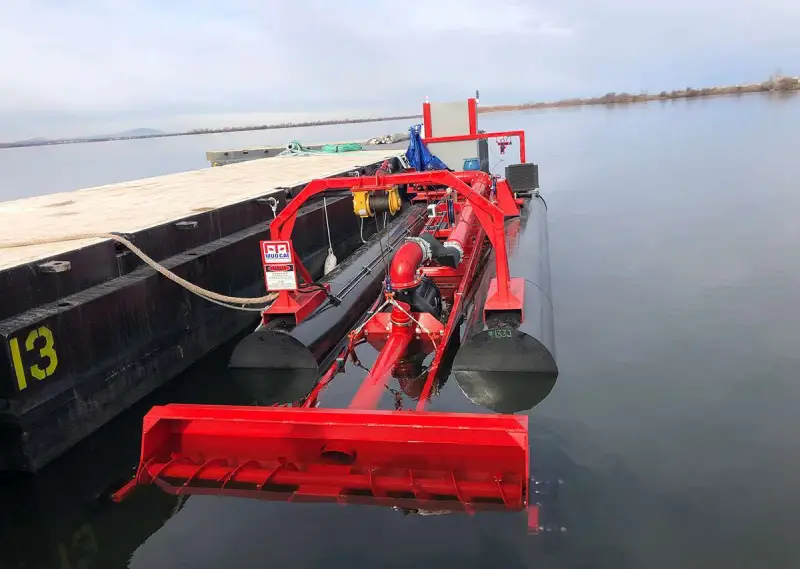
Environmental restoration is a pressing concern in today’s world. As we face increasing challenges from pollution and habitat destruction, finding effective ways to rehabilitate our ecosystems has never been more important. Traditional methods of dredging have long served as tools for remediation, but they often come with significant drawbacks that can hinder progress.
Imagine a solution that not only streamlines the process but also enhances precision and minimizes disruption to fragile habitats. Enter automated dredges—game changers in environmental restoration efforts. These high-tech machines are redefining how we approach cleanup operations in water bodies, promising greater efficiency and effectiveness while reducing ecological impact.
Join us as we explore the innovative realm of automated dredging and discover its transformative effects on environmental conservation initiatives around the globe.
The Drawbacks Of Traditional Dredging Methods
Automated Dredge methods often come with significant drawbacks that hinder their effectiveness in environmental restoration.
One major issue is the disruption of aquatic ecosystems. These conventional techniques can stir up sediment and release harmful toxins, leading to further contamination. This counterproductive outcome undermines the very goal of restoration efforts.
Moreover, traditional dredges are typically large and cumbersome. Their size limits access to sensitive areas that require attention. As a result, some critical habitats remain untouched or receive inadequate care.
Time and labor costs also pose challenges with these methods. Traditional dredging can be slow and resource-intensive, leading to delays in project completion.
Environmental monitoring during operations is often insufficient as well. Without real-time data collection capabilities, it’s difficult to assess immediate impacts on water quality or wildlife efficiently.
What Are Automated Dredges And How Do They Work?
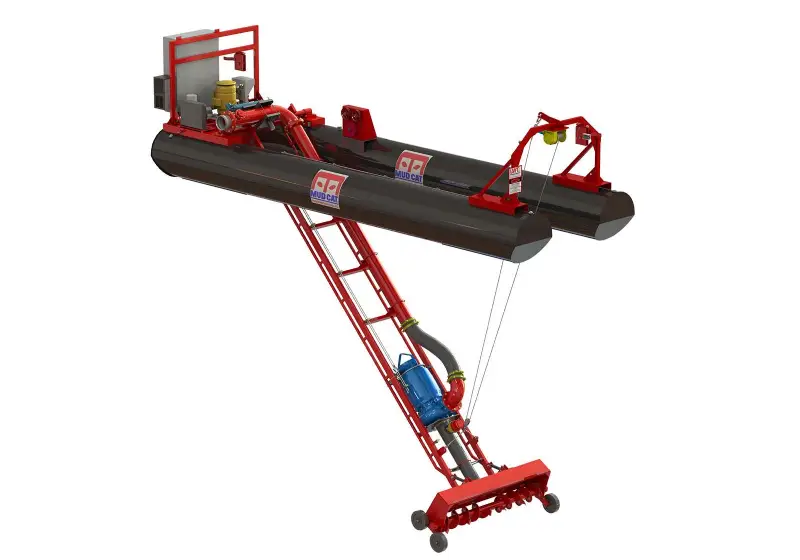
Automated dredges are advanced machines designed for efficient sediment removal from waterways. Unlike traditional methods, these innovative tools operate with minimal human intervention.
The technology behind automated dredging involves sophisticated sensors and GPS systems. These components enable precise navigation and accurate mapping of underwater terrain. As a result, automated dredges can target specific areas that require restoration without disturbing surrounding environments.
These machines often feature powerful suction systems or mechanical arms to extract sediment effectively. The collected material is then transported to designated disposal sites or treatment facilities.
Automation enhances safety by reducing the need for divers in hazardous conditions. Operators can monitor progress remotely, allowing real-time adjustments based on live data analysis.
This modern approach not only improves efficiency but also significantly reduces environmental impact during restoration projects.
Advantages Of Using Automated Dredges For Environmental Restoration
Automated dredges offer numerous advantages in the realm of environmental restoration. These innovative machines enhance efficiency by operating continuously, minimizing downtime and expediting project timelines.
Their precision is another key benefit. Automated dredges can target specific areas with pinpoint accuracy, reducing collateral damage to surrounding ecosystems during sediment removal.
Safety is significantly improved as well. With remote operation capabilities, human exposure to hazardous environments is minimized, decreasing the risk of accidents and injuries on-site.
Moreover, automated systems are often more environmentally friendly. They reduce fuel consumption and emissions compared to traditional methods, aligning better with sustainability goals.
Cost-effectiveness also plays a crucial role. Although initial investments may be higher, long-term savings arise from reduced labor costs and increased operational efficiency over time.
These advantages mark a turning point in how we approach environmental challenges while preserving our natural habitats effectively.
Case Studies: Successful Examples Of Environmental Restoration With Automated Dredging
One notable case study involves the restoration of the Chesapeake Bay. Automated dredges were deployed to remove sediment and pollutants from its waterways. This advanced technology allowed for precise targeting, minimizing damage to surrounding marine habitats.
Another successful project took place in San Francisco Bay. Here, automated dredging helped eliminate invasive species while promoting native vegetation growth. The efficiency of these machines enabled workers to complete tasks quickly and effectively, significantly improving water quality.
In a different scenario, Florida’s Everglades saw significant benefits from automated dredging techniques. By restoring natural flow patterns disrupted by human activity, these efforts revived local ecosystems without causing further harm.
These examples illustrate how automated dredges are not only effective but crucial in modern environmental restoration initiatives across diverse landscapes. Each project highlights the potential of technology as a tool for sustainable conservation practices.
Potential Challenges And Limitations Of Using Automated Dredges
Automated dredges, while promising, come with their share of challenges. One major concern is the initial investment cost. The technology involved can be expensive, limiting accessibility for smaller projects or organizations.
Another challenge lies in the complexity of operation. Automated systems require skilled personnel who understand both the technology and environmental conditions. Lack of expertise can hinder efficiency and effectiveness.
Environmental factors also play a role. Automated dredges are highly sensitive to conditions like currents or sediment types. If not properly calibrated for specific environments, they may underperform.
Additionally, regulatory hurdles often complicate deployments. Navigating local laws and permits can delay projects significantly, impacting overall timelines.
Maintenance poses another issue; these machines need regular upkeep to function optimally. Neglecting maintenance could lead to costly breakdowns or inefficiencies during critical restoration efforts.
Future Implications And Advancements In The Field
The future of automated dredging is bright and full of potential. As technology evolves, we can expect even more sophisticated sensors and AI-driven systems to enhance precision in dredging operations.
These advancements could lead to real-time data analysis, allowing for quick adjustments during projects. Imagine automated dredges that can adapt their techniques based on the specific environment they are operating in.
Moreover, integrating renewable energy sources will make these machines more sustainable. Solar panels or hybrid power systems may soon be a standard feature, reducing the carbon footprint associated with environmental restoration efforts.
Collaboration between engineers and ecologists will also become crucial. This partnership can ensure that automated dredges not only clean waterways but also promote biodiversity through carefully planned interventions tailored to local ecosystems.
With ongoing research and innovation, automated dredges have the potential to redefine standards in aquatic rehabilitation for years to come.
Conclusion
Technology plays a pivotal role in shaping our approach to environmental conservation. The emergence of automated dredges is a prime example of innovative solutions addressing complex ecological issues. By enhancing efficiency and precision, these advanced tools are redefining how we tackle sediment management and habitat restoration.
The use of automated dredges not only minimizes disruption to ecosystems but also allows for more effective recovery efforts in areas previously considered too challenging or damaging for traditional methods. As we continue to embrace automation, the potential benefits extend far beyond immediate restoration projects; they pave the way for sustainable practices that can be integrated into future conservation strategies.
As advancements in technology progress, it’s clear that our commitment to preserving the environment will become increasingly reliant on such innovations. Automated dredging stands at the forefront, demonstrating that when we combine cutting-edge technology with environmental stewardship, we can create lasting impacts on our planet’s health and resilience.

Earle Garza is an Alabama-based health expert and writer with years of experience in the health and wellness field. He obtained his degree in nutrition science from the University of Alabama and has worked in various health clinics and spas throughout the Southeast, providing nutrition and lifestyle advice to clients. Earle is passionate about promoting healthy habits through nutrition and sharing his knowledge through his blog, which provides practical tips on leading a healthy lifestyle.