
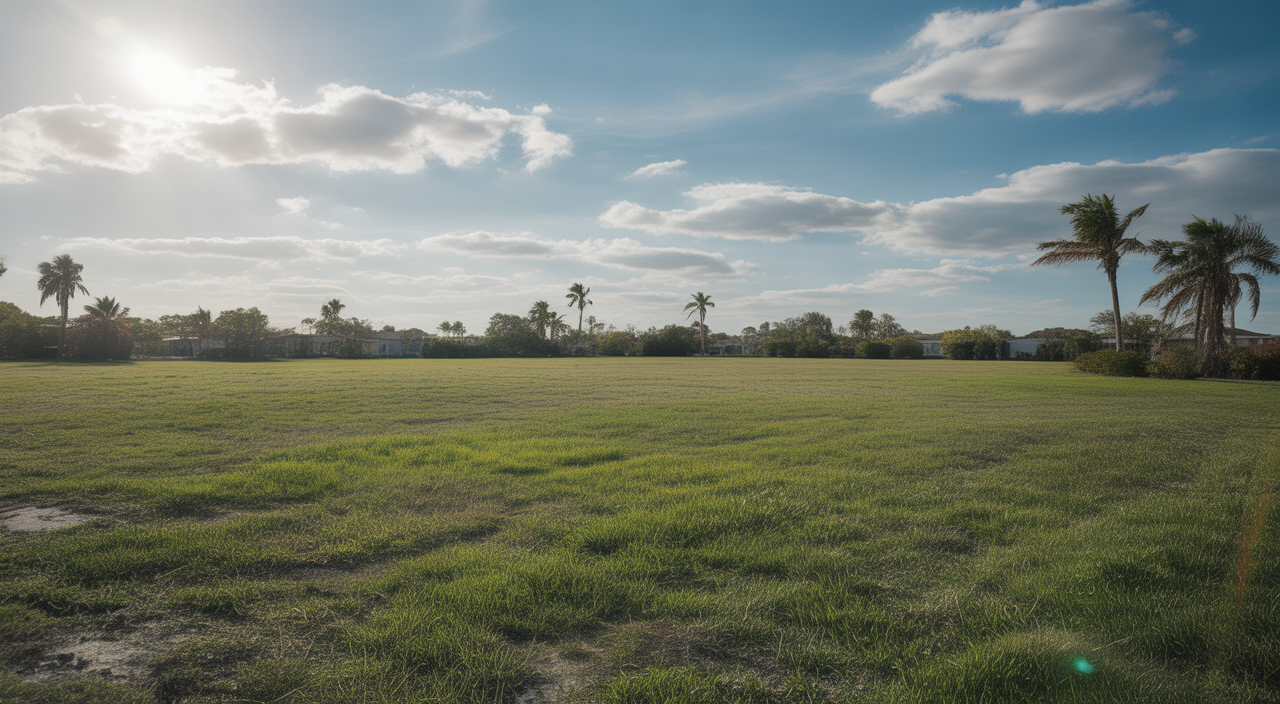
Have you ever thought about owning land in a place known for its sunshine, beautiful beaches, and vibrant communities? Florida, the Sunshine State, offers a unique opportunity for individuals and investors to secure a piece of its growing landscape. Whether you dream of building your perfect home, investing for the future, or developing a business, finding the right piece of land is the first exciting step.
The demand for land in Florida continues to rise. This is due to its strong economy, increasing population, and attractive lifestyle. For those actively searching, exploring lots for sale in florida can open up a world of possibilities. This guide will walk you through everything you need to know, from understanding different types of land to navigating the buying process with confidence.

Why Florida Stands Out for Land Ownership
Florida isn’t just a popular tourist destination. It’s also a prime location for property investment and personal development. The state boasts a warm climate year-round, making it appealing for retirees and families alike. Its diverse economy includes thriving tourism, agriculture, and technology sectors.
Population growth is a major driver of property value in Florida. More people mean more demand for housing and commercial spaces. Plus, Florida has no state income tax, which is a big financial benefit for residents and businesses. This combination of factors makes buying land here a smart move for many people.
Finding Your Perfect Parcel: Types of Lots Available
When you start looking at lots for sale in Florida, you’ll discover a wide variety. Each type serves different goals and offers unique advantages. Knowing what you’re looking for helps narrow down your search.
- Residential Lots: These are plots of land where you can build a single-family home, a duplex, or even a small residential community. They are found in established neighborhoods or new developments.
- Investment Land: Often purchased with the goal of selling later for a profit, investment land might be undeveloped. It could be in areas expected to grow.
- Commercial Lots: Businesses need land for offices, retail stores, or industrial facilities. Commercial lots are typically located in strategic areas with good road access and visibility.
- Agricultural Land: If you dream of farming or ranching, Florida offers land suitable for various crops and livestock. This land is often found in more rural areas.
- Recreational or Vacant Land: This type of land is perfect for those seeking a private retreat. It can be used for hunting, camping, or simply enjoying nature. Some buyers also hold vacant land for future use or conservation.
Exploring these different types helps you match a property to your vision. It ensures you find a lot that truly fits your needs, whether for immediate building or long-term potential.
The Crucial Steps of Due Diligence for Florida Land Buyers
Buying land is a big decision, especially in a state with unique environmental and regulatory factors like Florida. Due diligence means doing your homework before you commit. This process helps you avoid surprises and make a sound investment.
Here’s a checklist of key areas to investigate:
- Zoning and Land Use: Every piece of land has specific rules about how it can be used. This is called zoning. You need to understand local Florida zoning regulations. They dictate what you can build, how tall it can be, and what activities are allowed on the property. A commercial lot cannot typically be used for residential building, for example.
- Environmental Factors: Florida has unique natural features. It is important to check for flood zones, wetlands, and protected habitats. A real estate appraisal can highlight some of these factors. You should look at a Florida flood zone map to understand any risks. Soil quality is also important for building or agriculture.
- Surveys and Boundaries: A recent land survey clearly defines your property lines. It ensures you know exactly what you are buying and prevents future disputes.
- Access and Utilities: Does the land have legal access to a public road? Are water, sewer, and electricity lines readily available? Connecting to utilities can be expensive if they are far away.
- Title Search and Liens: A title search ensures that the seller truly owns the land and that there are no hidden debts or claims against the property. This is a vital step for a clear and secure purchase.
Taking the time for thorough due diligence is non-negotiable. It protects your investment and your peace of mind.
Understanding the Florida Land Buying Process
Buying land involves several steps, from setting your budget to the final closing. Each phase is important for a smooth transaction.
- Set Your Budget: Think beyond the purchase price. Factor in closing costs, property taxes, and potential holding costs. You might also need funds for land improvements or utility hookups.
- Find the Right Property: You can search online through various real estate portals or work with specialized land brokers. These brokers often have unique insights into the local market. When looking for lots for sale in Florida, consider properties that align with your long-term goals.
- Make an Offer and Contract: Once you find a lot you like, you’ll make an offer. This will usually be in writing. The contract will include important details, like the price, closing date, and any specific conditions or contingencies.
- Escrow and Closing: After your offer is accepted, the property enters escrow. This period allows time for due diligence, financing, and legal paperwork. At closing, ownership of the land is officially transferred to you.
Each step requires attention to detail. Don’t hesitate to ask questions. Being informed helps you make the best decisions.
Financing Your Land Purchase in Florida
Financing vacant land can be different from financing a home. It’s good to know your options.
- Cash Purchases: If you have the funds, buying with cash is often the simplest and quickest way to close.
- Traditional Bank Loans: Banks offer loans for land, but they might require a larger down payment and have shorter repayment terms than home loans. Lenders view raw land as a higher risk.
- Seller/Owner Financing: Some sellers offer to finance the purchase themselves. This can be a flexible option, often with more negotiable terms. It can be a great way to secure owner financing if traditional routes are difficult.
- Hard Money Loans: These are short-term, high-interest loans typically used by investors or developers. They are secured by the property itself and are often used when quick access to funds is needed.
- USDA Loans: For agricultural land, the U.S. Department of Agriculture offers specific loan programs. These can help farmers and ranchers acquire land for their operations.
Understanding these financing avenues helps you determine the best path for your specific situation. Always compare terms and interest rates carefully.
Investing in Florida Land: Strategies for Future Growth
Florida’s strong economy and continuous growth make it an attractive state for land investment. Many investors look for opportunities to increase their wealth through property.
Consider these strategies:
- Identify High-Growth Areas: Research regions with planned infrastructure projects, new job creation, or population booms. These areas often see significant land value appreciation.
- Long-Term vs. Short-Term Investments: Some investors buy land to hold for many years, waiting for its value to climb naturally. Others might buy, make minor improvements, and sell quickly (flipping land).
- Understand Factors Influencing Value: Proximity to major cities, beaches, theme parks, and good road networks can drive up land values. Future development plans nearby also play a big role.
With careful planning and research, investing in Florida land can be a rewarding venture. Many helpful resources exist online for tips for selling property when the time comes to capitalize on your investment.
Frequently Asked Questions (FAQs) About Buying Land in Florida
Can I build on any land in Florida?
No, you cannot build on just any land. You must check the zoning regulations for the specific parcel to see if building is permitted. You also need to consider environmental factors like flood zones or wetlands, which can restrict construction.
What are the property taxes like in Florida?
Property taxes in Florida vary by county and depend on the assessed value of the land. It’s essential to research the specific county’s tax rates before purchasing. Generally, taxes are lower than in some other states, especially with no state income tax.
Do I need a real estate agent to buy land?
While you can buy land directly from owners, using a real estate agent or a specialized land broker can be very helpful. They have market knowledge, can assist with negotiations, and guide you through the complex buying process. Their expertise can save you time and prevent costly mistakes.
Your Florida Land Dream Awaits
Owning land in Florida offers a world of potential, whether for building your dream home, making a smart investment, or creating a personal escape. By understanding the different types of lots available, conducting thorough due diligence, and navigating the buying process carefully, you can make an informed decision.
Take the leap and explore the exciting opportunities that await you. Your perfect piece of Florida could be just a click away.

Earle Garza is an Alabama-based health expert and writer with years of experience in the health and wellness field. He obtained his degree in nutrition science from the University of Alabama and has worked in various health clinics and spas throughout the Southeast, providing nutrition and lifestyle advice to clients. Earle is passionate about promoting healthy habits through nutrition and sharing his knowledge through his blog, which provides practical tips on leading a healthy lifestyle.