

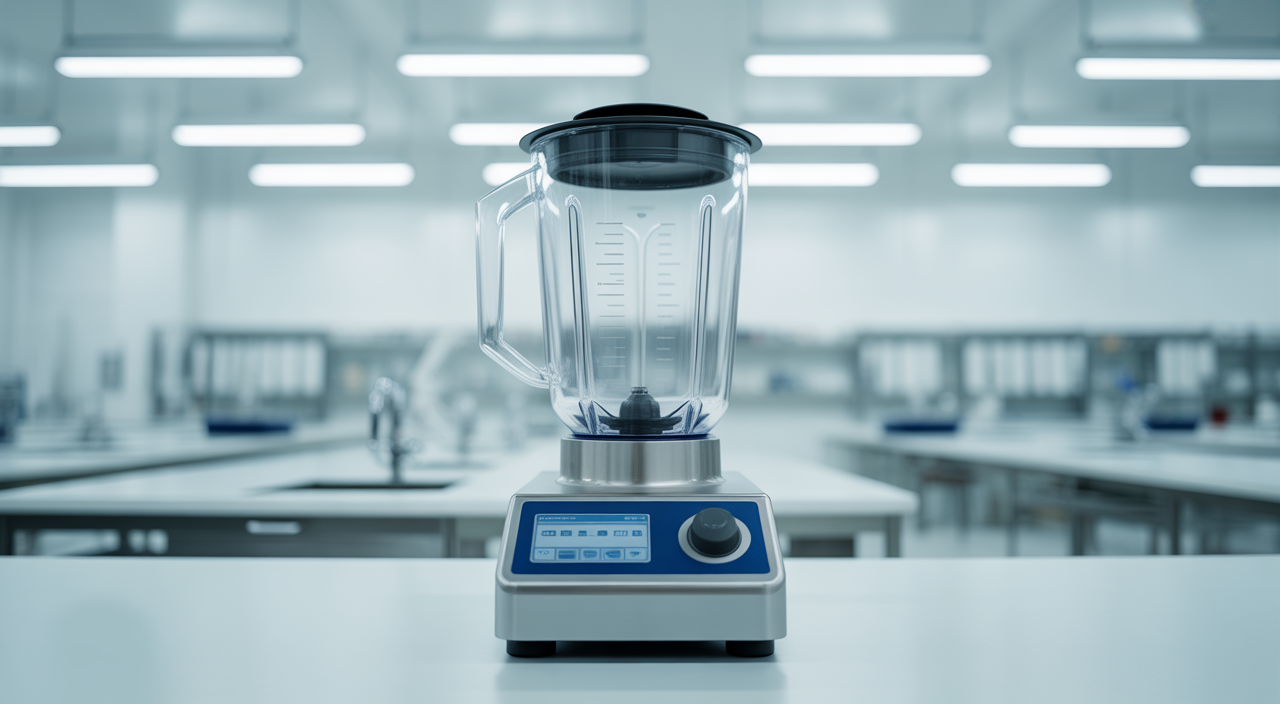
A lab scale blender is a compact mixing machine used in research and quality control labs to blend powders, granules or small batches of wet materials. It helps you test new formulations, check product consistency and simulate production on a small, safe and cost‑effective level. If you are shortlisting equipment, one powerful option to explore is this dedicated lab scale blender designed for modern R&D needs.
For Indian investors and lab managers, this tool can be a smart asset. It supports faster product development, better control over quality and smoother scale‑up from lab trials to pilot or full production. When chosen well, it saves both time and money while building strong technical capability inside your organisation.
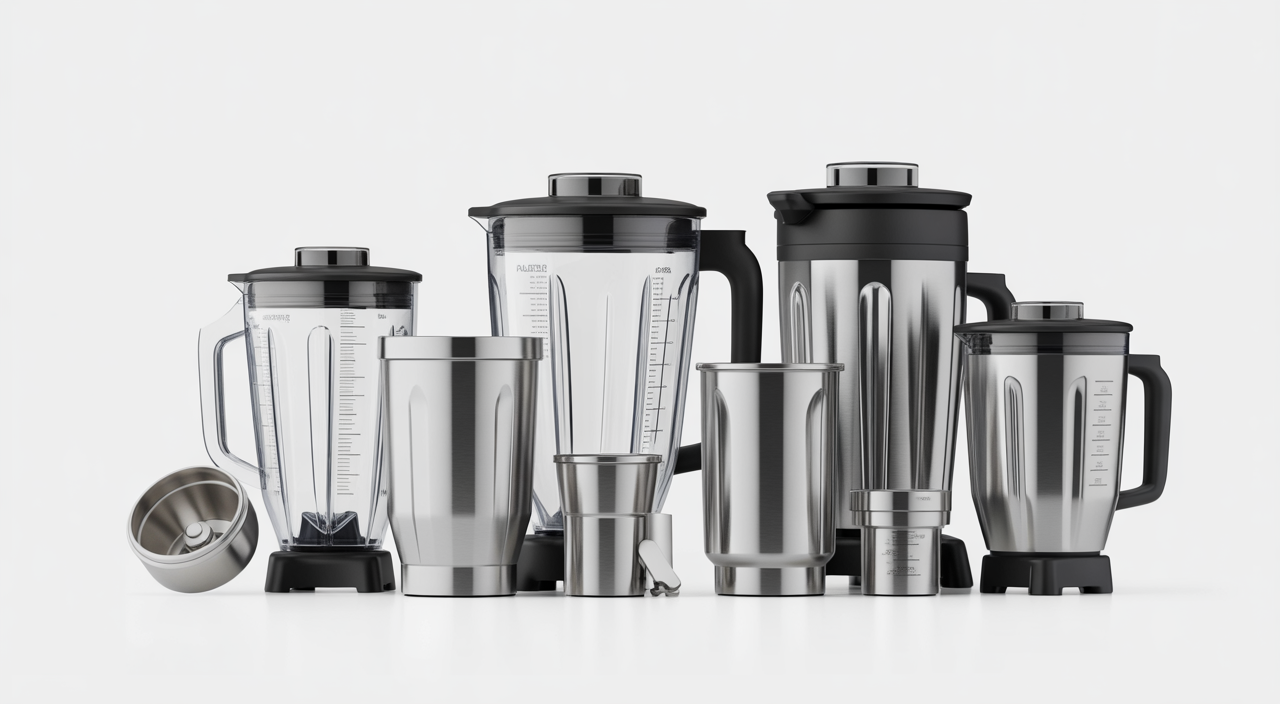
This guide explains how a lab scale blender works, the features that matter, and practical tips to select the right model for pharma, food, cosmetic or specialty chemical projects.
How a lab scale blender supports R&D and quality
In simple terms, a laboratory blender is a small, high‑precision version of the big mixers used in factories. It is designed for sample preparation and trial batches, often from a few hundred grams up to a few kilograms.
Common uses include:
- Testing new powder blends for tablets, capsules or nutraceuticals
- Mixing spice blends, instant drink powders or fortified foods
- Preparing cosmetic creams, lotions and scrubs
- Blending specialty chemicals or additives for plastic and rubber
Because it handles small, repeatable batches, the lab blender becomes the heart of an R&D lab. It helps your team move from idea to validated formula quickly, which can be as important as strong marketing or sharp business efficiency strategies.
Key features to check in a lab scale blender
When you compare models, focus on features that directly affect performance, safety and ease of use in daily lab work.
1. Capacity and batch flexibility
Think about your typical batch size. Do you usually work with 500 g, 2 kg or 5 kg of material? A good lab scale blender should:
- Handle your minimum and maximum batch sizes without dead zones (areas where material does not mix)
- Offer interchangeable vessels or drums to change volume easily
- Support both small trial runs and slightly larger confirmation batches
This flexibility is very useful when a formula moves from screening tests to final optimisation.
2. Motor power and speed control
Motor strength and speed range decide how fast and how uniformly your samples blend. Look for:
- Enough power to mix dense powders without overheating
- Variable speed control to handle gentle mixing and intense blending in the same unit
- Stable performance for long runs, especially for time‑sensitive formulations
Digital speed displays are helpful for reproducibility, as you can record exact settings in your batch records.
3. Contact materials and build quality
Since the product touches the inner surface of the blender, contact materials are critical for safety and compliance. Common choices are:
- Stainless steel for pharma, food and cosmetics, due to cleanliness and corrosion resistance
- Special coatings or liners if your powders are highly abrasive or reactive
A robust frame and quality fabrication reduce vibration and ensure long service life, which is important for capital‑intensive lab setups.
4. Controls, safety and documentation
Modern lab blenders often provide digital controls with recipe storage. This is a big plus if you work under strict quality systems. Useful features include:
- Programmable time, speed and direction sequences
- Emergency stop and overload protection
- Covers and guards that prevent accidental contact with moving parts
For regulated industries, look for models that support proper documentation and validation. This fits well with process control tools and even advanced document management workflows inside the organisation.
5. Cleaning and changeover
In busy labs, cross‑contamination is a key risk. A good laboratory blender should be quick and simple to clean between batches.
- Tool‑less disassembly where possible
- Smooth, crevice‑free internal surfaces
- Options for dry cleaning, wet cleaning or in‑place cleaning, depending on your process
Faster cleaning means higher utilisation and better productivity from the same asset.
Lab blender vs homogenizer vs high‑shear mixer
Many teams are unclear about the difference between these devices. A lab scale blender is mainly for mixing powders or combining solids with some liquids. A homogenizer or high‑shear mixer is often used when you need very fine particle size reduction or stable emulsions, such as creams or suspensions.
You can keep it simple:
- Use a lab blender for dry blends, granules and free‑flowing materials
- Use a homogenizer or high‑shear mixer when droplet size and dispersion are critical
Some labs use both, especially in complex projects where both powder pre‑mixing and wet emulsification are needed.
How Indian investors can evaluate ROI
A lab scale blender may look like a small purchase compared to a full production line, but it has a big impact on innovation speed and product quality. To judge return on investment, consider:
- How many new products or SKUs you launch in a year
- How much time your team currently spends on trial‑and‑error batches
- The cost of failed pilot runs due to poor lab‑to‑plant scale‑up
When a reliable lab blender gives consistent results, it reduces rework, shortens development cycles and supports stronger margins over time. For investors backing pharma, nutraceutical, FMCG or specialty chemical ventures, this is a quiet but powerful value driver.
Practical selection tips before you buy
- Define your main applications. List the products and processes you will support in the next 3 to 5 years.
- Match capacity to growth plans. Do not buy only for today; consider future project volume and team expansion.
- Check local support. Ensure you have access to training, spare parts and quick service in your region.
- Ask for sample trials. Many suppliers will run your actual powders to show performance.
- Evaluate compliance needs. If you operate under strict quality codes, choose a model that supports clear documentation and validation.
FAQs about lab scale blenders
1. Is a lab scale blender enough, or do I also need a pilot scale blender?
A lab blender is ideal for early‑stage formulation and small stability or compatibility studies. When you move closer to commercial launch, a pilot scale blender helps you test larger batches under conditions closer to full production. Many successful plants use both levels, with the lab unit for quick development and the pilot mixer as a bridge to manufacturing.
2. Can one blender handle both pharma and food products?
Technically, the same machine can blend both categories if the design, contact materials and cleaning are suitable. However, for strict regulatory compliance and to avoid even the smallest risk of cross‑contamination, most organisations keep separate equipment for different product families. If you must use one blender for multiple sectors, design clear cleaning and validation protocols and document them carefully.
3. How long does a good lab scale blender last?
With proper maintenance, quality models can easily serve for 10 years or more. Regular cleaning, timely lubrication and avoiding overloads are usually enough to keep the machine in excellent working condition. This long life makes the upfront investment highly attractive when viewed over the full project pipeline.

Earle Garza is an Alabama-based health expert and writer with years of experience in the health and wellness field. He obtained his degree in nutrition science from the University of Alabama and has worked in various health clinics and spas throughout the Southeast, providing nutrition and lifestyle advice to clients. Earle is passionate about promoting healthy habits through nutrition and sharing his knowledge through his blog, which provides practical tips on leading a healthy lifestyle.