

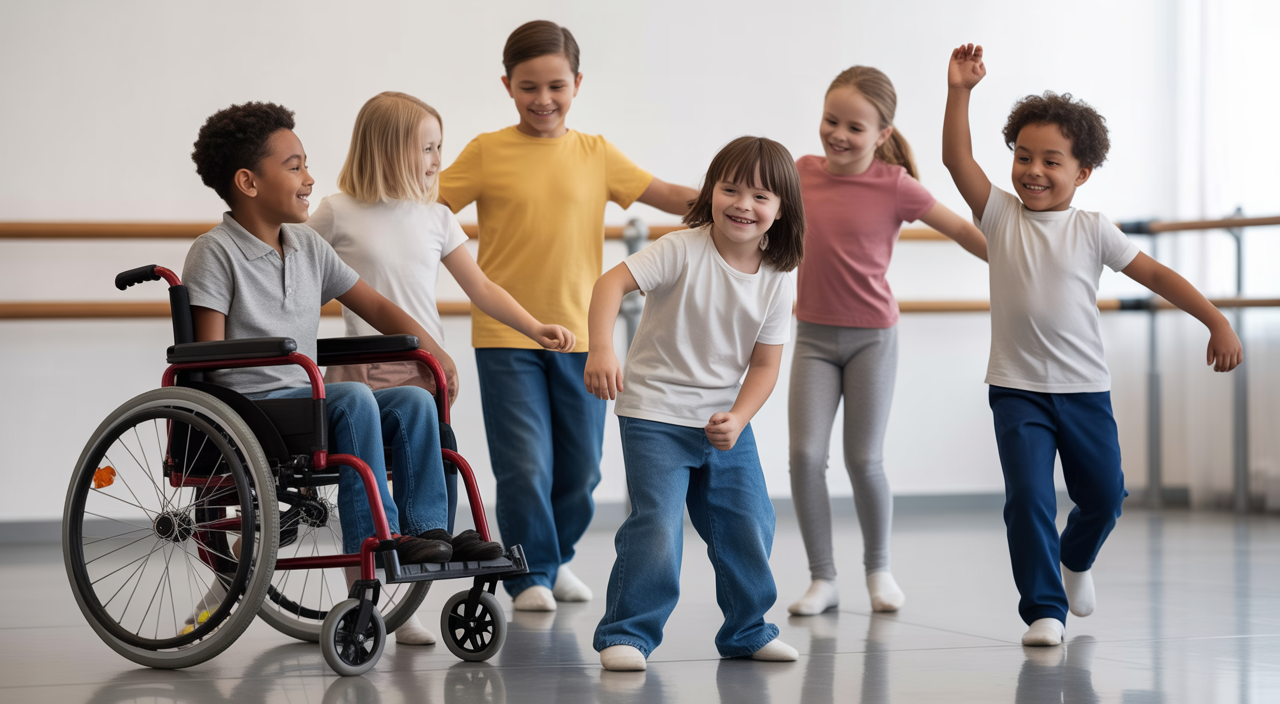
Absolutely! Dance is a powerful form of expression. It’s a language everyone can speak, moving beyond words. For many years, dance classes seemed to cater only to those with typical physical abilities. But times have changed. Today, the world of dance is opening its arms wider than ever before, thanks to programs designed for everyone.
This inclusive approach is called adaptive dance. It’s about making dance accessible and enjoyable for children with diverse needs. If you’re looking for an incredible opportunity for your child, discovering adaptive dance classes Toronto offers can be a truly rewarding journey.
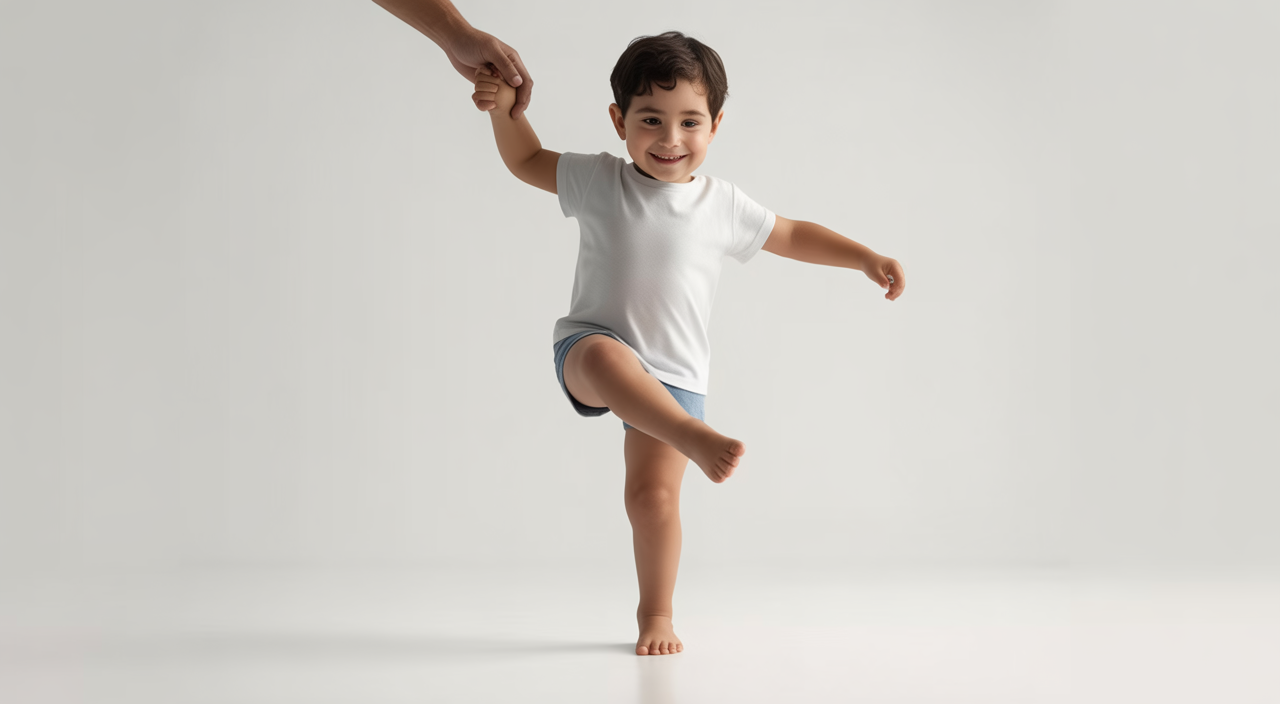
This guide will explore what adaptive dance means. We’ll look at the many wonderful benefits it offers. We’ll also give you tips on how to choose the best program for your child. The goal is to help every child find their rhythm and shine.
What is Adaptive Dance? Moving Beyond the Usual Steps
Adaptive dance is a special type of dance instruction. It focuses on tailoring dance movements and techniques to fit each child’s unique abilities. This means that children with various physical, cognitive, or developmental challenges can fully participate and enjoy dance.
It’s not about changing the child to fit the dance. It’s about adapting the dance to fit the child. This creates an environment where everyone feels valued and capable. If you’re considering the options, exploring **adaptive dance classes Toronto** has can open up a world of possibilities. Teachers use creative methods to modify steps, use props, or adjust the pace of a class. This ensures every child can engage meaningfully.
Who benefits from adaptive dance? A wide range of children can thrive in these classes. This includes children with autism spectrum disorder, Down syndrome, cerebral palsy, visual impairments, hearing impairments, and many other conditions. Adaptive dance focuses on strengths, fostering a sense of achievement for all. These include the incredible **adaptive dance classes Toronto** provides.
The Transformative Benefits of Adaptive Dance for Children
Adaptive dance offers much more than just learning dance steps. It provides a holistic experience that supports a child’s overall growth. These benefits extend across physical, cognitive, and social-emotional areas. They build a foundation for a happier, healthier life.
Physical Development and Coordination
- Improved Motor Skills: Children work on both gross motor skills (like running and jumping) and fine motor skills (like hand gestures). This helps them control their bodies better.
- Enhanced Balance and Strength: Dance movements naturally improve balance. They also build muscle strength and flexibility.
- Better Body Awareness: Children learn about their bodies in space. This is called spatial awareness. They also improve proprioception, which is knowing where their body parts are without looking.
- Increased Endurance: Regular movement helps build stamina. This is good for overall physical health.
Cognitive Growth and Learning
- Boosted Focus and Memory: Following choreography requires concentration and remembering sequences of movements. This sharpens the mind.
- Problem-Solving Skills: Adapting to different movements and rhythms encourages creative thinking. Children learn to solve movement-based problems.
- Sequencing and Pattern Recognition: Dance involves understanding patterns and putting movements in order. This helps with logical thinking.
- Sensory Integration: Many children with diverse needs have sensory processing differences. Dance provides a controlled environment to explore touch, sound, and movement. This helps the brain better organize sensory information.
Social and Emotional Well-being
- Increased Self-Confidence: Achieving new movements and performing builds immense self-esteem. Every small success is celebrated.
- Creative Expression: Dance offers a safe outlet for emotions and creativity. Children can express themselves without words.
- Social Connection: Classes provide opportunities to interact with peers and instructors. This helps develop social skills, teamwork, and friendships.
- Emotional Regulation: The structure and rhythm of dance can be calming. It helps children manage their feelings and reduce stress.
These benefits highlight how adaptive dance is a powerful tool. It helps children develop across many areas, offering both therapeutic benefits and pure joy. They show why the **adaptive dance classes Toronto** offers are so valuable for children. If you want to explore other ways to support your child’s physical development, there are many avenues to consider.
Choosing the Right Adaptive Dance Classes Toronto Has to Offer
Finding the perfect adaptive dance program can feel like a big task. Here are some key things to consider when you are searching for **adaptive dance classes Toronto** offers:
- Qualified and Empathetic Instructors: Look for teachers with specialized training in adaptive dance or special education. They should have experience working with children with diverse needs. Their patience and understanding are crucial.
- Inclusive Class Environment: The studio should feel welcoming and safe for all children. Ask about class sizes and teacher-to-student ratios. Smaller classes often allow for more individualized attention.
- Curriculum Flexibility: A good program adapts to individual needs. It should focus on participation and personal growth, not just perfect technique. Ask how they modify activities for different abilities.
- Facility Accessibility: Consider the physical space. Is it wheelchair accessible? Are there quiet spaces for children who might need a break from sensory input?
- Parent Involvement and Communication: A program that values parent input and provides regular updates is a great sign. Good communication helps ensure your child’s needs are met.
- Focus on Joy and Expression: Ultimately, dance should be fun! The program should prioritize joy, creative expression, and a love for movement.
When you keep these points in mind, you can find a program that truly supports your child’s journey. Among the diverse offerings, the best **adaptive dance classes Toronto** provides will always prioritize joy and growth. Many parents also seek opportunities that help their children foster independence and problem-solving skills in other areas of life too.
Spotlight: Leading Adaptive Dance Classes Toronto Provides
Toronto is home to several wonderful organizations offering inclusive dance. One notable example is the adaptive dance classes offered by a renowned institution. This institution has a long history of excellence in dance education.
A Legacy of Inclusion
This institution is known for its commitment to making dance accessible. They believe every child deserves the chance to experience dance. Their adaptive program builds on this long-standing philosophy. It extends its high-quality training to children with diverse abilities.
Program Philosophy and Approach
The program’s core belief is in person-centered learning. This means they focus on each child’s unique strengths and goals. Classes are designed to be engaging, supportive, and flexible. They prioritize joy and self-expression above all else. Instructors use a variety of teaching strategies to ensure every child can participate fully. They celebrate every milestone, no matter how small.
Meet the Expert Instructors
The teachers in this program are not just dance instructors. They are highly trained professionals. Many have specialized education in adaptive pedagogy or related fields. Their experience helps them create a safe, stimulating, and nurturing environment. They are passionate about helping children find their voice through movement.
What to Expect: Class Structure and Environment
Classes typically involve a warm-up, movement exploration, creative games, and simple choreography. Props like scarves, ribbons, and instruments are often used to enhance engagement. The studio environment is designed to be welcoming. It’s sensory-friendly and physically accessible for all participants. To learn more about this inspiring curriculum, dedicated instructors, and registration details, we encourage you to visit the official program page. You can discover how these adaptive dance classes in Toronto can be a transformative experience for your child.
Your Questions Answered: Adaptive Dance FAQ
Here are some common questions parents often have about adaptive dance classes:
What age groups are typically accepted into adaptive dance programs?
Most adaptive dance programs cater to a wide range of ages, often starting from early childhood (e.g., 4-6 years old) and extending through to teenage years or even young adults. Specific age groups will vary by program and institution, so it’s always best to check directly with the provider.
Does my child need prior dance experience or specific physical abilities to join?
No, prior dance experience is almost never required for adaptive dance programs. These classes are designed to be inclusive and meet children where they are. The focus is on participation, exploration, and individual growth, not on achieving a certain level of skill. Instructors are trained to adapt movements to suit various physical abilities.
What measures are in place for safety and support in adaptive dance classes?
Reputable adaptive dance programs prioritize safety and support. This includes having instructors trained in first aid and adaptive movement techniques. They often maintain smaller class sizes or have support staff present. Facilities are typically wheelchair accessible and may include sensory-friendly elements. Communication with parents is key to understanding and meeting each child’s specific needs and ensuring a safe, supportive environment.
Take the Next Step: Empower Your Child with Adaptive Dance
Adaptive dance offers a unique blend of physical activity, creative expression, and social engagement. It provides a supportive space where children of all abilities can thrive. It’s an opportunity for your child to build confidence, make friends, and discover the pure joy of movement.
Exploring the options for **adaptive dance classes Toronto** is an investment in your child’s happiness and development. It’s about finding a place where they are not just accepted, but celebrated for who they are.
Conclusion: Dance for All, A Future of Movement and Joy
The world of dance is truly for everyone. Adaptive dance programs are leading the way in inclusive arts education. They offer invaluable opportunities for children with diverse abilities. These programs foster physical health, cognitive growth, and emotional well-being.
By choosing an adaptive dance program, you are giving your child the gift of movement. You are also offering them a vibrant community. They will gain a strong sense of self-worth. This experience will stay with them long after the music stops.

Earle Garza is an Alabama-based health expert and writer with years of experience in the health and wellness field. He obtained his degree in nutrition science from the University of Alabama and has worked in various health clinics and spas throughout the Southeast, providing nutrition and lifestyle advice to clients. Earle is passionate about promoting healthy habits through nutrition and sharing his knowledge through his blog, which provides practical tips on leading a healthy lifestyle.