

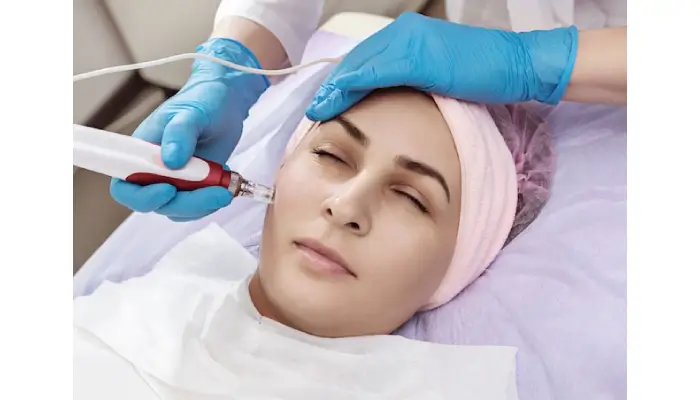
Microneedling can be an effective way to rejuvenate your skin, but there are common pitfalls that many people face. First, choosing the wrong clinic or practitioner is a frequent mistake; not all professionals are equally qualified. Also, neglecting to follow pre-care and post-care instructions can lead to less than ideal results. Moreover, having unrealistic expectations about the treatment’s effects is another area where individuals often trip up. Finally, forgetting to ask questions during the consultation may leave you in the dark regarding what to expect. By avoiding these errors, you’ll increase your chances of achieving great microneedling results in Sacramento.
1. What is Microneedling?
Microneedling is a cosmetic procedure that uses fine needles to create tiny wounds in the skin. This technique stimulates the body to produce collagen and elastin, essential proteins that help improve skin texture and firmness. Many people turn to microneedling to address issues like acne scars, wrinkles, and to achieve overall skin rejuvenation. The procedure can be performed using either a manual pen device or a motorized tool, allowing for flexibility in technique. Importantly, the depth of needle penetration can be adjusted based on the specific treatment area and the individual’s skin type, making it a customizable option for various needs. In some cases, microneedling is combined with topical treatments to enhance the results. The improvements in skin quality typically become more noticeable over the few weeks that follow the procedure, as the skin heals and regenerates. When conducted by a trained professional, the best microneedling in Sacramento is generally safe, though common side effects such as redness, swelling, and minor discomfort may occur, usually subsiding quickly. This procedure is suitable for many skin types and can be tailored to meet individual requirements.

2. Choosing the Right Practitioner
When it comes to microneedling, selecting the right practitioner is crucial. Start by ensuring that the person you choose is licensed and has experience specifically in microneedling. Look for reviews and testimonials from previous clients, as these can give you insights into their satisfaction with the treatment. Don’t hesitate to ask about the practitioner’s training and certifications in skincare and microneedling, as this knowledge is important for your safety and results.
The cleanliness of the facility matters too. Make sure it follows proper hygiene protocols to minimize any risk of infection. Inquire about the type of equipment and needles used during the procedure; quality tools can make a significant difference in outcomes. A good practitioner will schedule a consultation to address your skin concerns and treatment goals, allowing you to evaluate their approach.
Pay attention to how willing they are to answer your questions and provide aftercare instructions. Avoid those who push unnecessary treatments or packages; your needs should come first. It’s also wise to consider practitioners who specialize in your specific skin type or condition, as they will be more attuned to the nuances of your skin. Finally, trust your instincts. Choose someone you feel comfortable with, as this will enhance your overall experience.
3. Common Mistakes Before Treatment
Before undergoing microneedling, many individuals make critical errors that can compromise their experience and results. One common mistake is failing to conduct thorough research on the procedure. Without understanding what microneedling entails, you might choose a practitioner who is not qualified or a facility that does not meet safety standards.
Another frequent oversight is neglecting to discuss your complete medical history and any existing skin conditions with your practitioner. If you have conditions like eczema or psoriasis, these can complicate the treatment and lead to unexpected complications.
Skipping the initial consultation is another misstep; this meeting is crucial for your practitioner to assess your skin type and specific needs. Without this assessment, your treatment plan may not be tailored to you, leading to less-than-ideal outcomes.
It’s also essential to inquire about the practitioner’s experience. Not asking about their qualifications can increase the risk of complications during the procedure. Additionally, not following pre-treatment guidelines, such as avoiding certain medications or skin care products, can negatively affect your results.
Ignoring skin sensitivity tests is another mistake that can lead to adverse reactions during treatment. Everyone’s skin reacts differently, and testing can help prevent uncomfortable surprises.
It’s important to maintain realistic expectations about the results. Some individuals expect immediate and dramatic changes, which can lead to disappointment if those results are not achieved right away. Timing is also key; scheduling your treatment at a busy or stressful time can hinder your recovery and results.
Lastly, failing to disclose any allergies or sensitivities can pose serious risks during the treatment. Choosing a practitioner based solely on cost rather than quality may result in poor outcomes, and in some cases, unsafe practices. Taking the time to avoid these common mistakes can significantly enhance your microneedling experience.
- Failing to do thorough research on microneedling can lead to poor choices.
- Not discussing medical history or skin conditions with the practitioner may result in complications.
- Skipping the consultation can prevent proper assessment of skin type and needs.
- Neglecting to ask about the practitioner’s experience can increase risks.
- Not following pre-treatment guidelines, like avoiding certain medications, can affect results.
- Ignoring skin sensitivity tests can lead to adverse reactions during the procedure.
- Overlooking the importance of realistic expectations can lead to disappointment.
- Not considering the timing of the procedure can affect recovery and results.
- Failing to disclose allergies or sensitivities may pose risks during treatment.
- Choosing price over quality can result in subpar results or unsafe practices.
4. Errors During the Microneedling Process
Rushing through the microneedling procedure can significantly compromise both the results and the safety of the treatment. Taking the time to perform each step carefully is essential for achieving the desired outcome. Additionally, insufficient numbing can lead to discomfort, making the experience less pleasant for clients. Proper technique is crucial; using the wrong depth or method can damage the skin and lessen the treatment’s effectiveness. It’s equally important to ensure all tools are sterilized, as failing to do so increases the risk of infections.
Different areas of the face and body may require adjustments in technique, and not doing this can result in uneven results. Listening to client feedback during the procedure is vital for comfort and satisfaction, as ignoring their cues can lead to a negative experience. Timing is also key; neglecting to apply serums or treatments at the right moment can diminish the benefits of the microneedling session.
Aftercare is another critical aspect; without proper instructions, recovery can be hindered, leading to suboptimal results. A well-lit workspace is essential, as poor lighting can lead to mistakes that could have been avoided. Lastly, failing to assess the skin’s response throughout the treatment can result in complications, emphasizing the need for vigilance and care during the entire process.
5. Post-Treatment Care Mistakes
After microneedling, proper care is essential for optimal results. Skipping aftercare can lead to prolonged recovery and poor skin outcomes. For instance, using makeup or harsh skincare products too soon can irritate the freshly treated skin, causing unnecessary discomfort. Keeping the skin hydrated is vital; without moisture, the healing process slows down. Sun exposure is another concern, as it can lead to pigmentation issues if the treated area isn’t protected. Additionally, avoiding strenuous exercise is important, as physical activity can increase swelling and irritation, making recovery harder.
It’s also crucial to monitor for signs of infection, such as increased redness or pus, which can worsen the healing process if ignored. Following a consistent follow-up schedule with your practitioner helps in tracking progress and addressing any concerns early on. Using abrasive scrubs or treatments too soon can damage the delicate healing skin, resulting in setbacks. Staying informed about what to expect post-treatment can alleviate anxiety and help you adhere to a proper skincare routine, which is key for long-term results.
6. Myths About Microneedling
Many people mistakenly believe that microneedling is only for older individuals, but this treatment can actually benefit people of all ages. It’s also a common myth that microneedling requires extensive downtime; in reality, most individuals can return to their normal activities shortly after a session. Another misconception is that microneedling is excessively painful. Thanks to the use of numbing agents, most patients experience minimal discomfort during the procedure. Additionally, when performed by trained professionals, microneedling does not lead to scarring. Some assume this treatment is a one-size-fits-all solution, but it can be customized to suit different skin types and concerns. While many think microneedling only addresses wrinkles, it is effective for improving scars and overall skin texture as well. It is also worth noting that not every skin type is unsuitable for microneedling; it is generally safe for a wide variety of skin conditions. People often expect instant results, but the truth is that improvements typically develop over time after multiple sessions. Furthermore, microneedling does not require frequent treatments; proper spacing is essential for effective recovery. Lastly, while microneedling can enhance various skincare routines, it should not be seen as a substitute for other treatments.
7. Understanding Skin Types for Microneedling
Different skin types require different needle depths and techniques in microneedling. For example, sensitive skin often needs special consideration, so practitioners may use gentler approaches to minimize irritation. On the other hand, individuals with oily skin can benefit from microneedling, but they may need more frequent treatments to maintain results. For those with dry skin, it’s important to ensure additional hydration both before and after the procedure, as this can enhance the overall outcome.
Combination skin presents its own challenges, often requiring a tailored approach for various areas of the face. When treating acne-prone skin, caution is key, and a thorough assessment by a skilled practitioner can help determine the best strategy. Mature skin typically sees significant benefits from the increased collagen production that microneedling stimulates, making it a popular choice for older adults. However, it is essential to avoid treating skin with active infections or certain conditions without prior evaluation.
Consulting with a qualified practitioner about your specific skin concerns is crucial for safe and effective treatment. Understanding your skin type not only helps in selecting the right technique but also sets realistic expectations for the results you can achieve.
8. Frequency of Microneedling Sessions
The frequency of microneedling sessions is not one-size-fits-all; it largely depends on your skin’s specific conditions and your personal goals. Most practitioners suggest scheduling sessions every 4 to 6 weeks to achieve the best results, as this allows your skin adequate time to heal and regenerate. Over-treating can lead to irritation and adverse effects, so it is crucial to give your skin a break between treatments.
For those looking to maintain their results after the initial series of treatments, spacing out sessions to every 3 to 6 months is often recommended. If you’re dealing with issues like acne scars, you might need more frequent sessions compared to someone seeking general rejuvenation, as scars can be more stubborn and require additional care.
Consulting with a qualified practitioner can provide valuable insights into the ideal schedule based on your unique skin response and recovery. Keeping track of your progress is also essential, as it can inform when to schedule your next appointment. Understanding how your skin reacts to treatment will help you plan future sessions effectively.
9. Following Aftercare Guidelines
After your microneedling session, following the aftercare guidelines provided by your practitioner is essential for achieving the best results. Keeping the treated area clean and moisturized helps support healing. It’s crucial to avoid sun exposure, so using a broad-spectrum sunscreen is necessary to protect your skin from harmful rays. Picking or scratching the treated area may lead to scarring, so resist the urge to touch it. Staying hydrated can significantly aid in skin recovery, so drink plenty of water. For a few days, limit strenuous exercise to reduce irritation in the treated area. Also, avoid using active ingredients in your skincare routine for the recommended time to allow your skin to heal properly. Hot showers and saunas should be avoided immediately after treatment, as they can aggravate your skin. If you notice any unusual symptoms during your recovery, be sure to check in with your practitioner. Maintaining a healthy skincare routine post-treatment can further enhance your results and keep your skin looking its best.
10. Evaluating Results After Treatment
Results from microneedling usually start to appear a few weeks after your session, as your skin begins its healing process. It’s essential to pay attention to how your skin’s texture and appearance change over time. Regular follow-up appointments with your practitioner can provide valuable insights into the effectiveness of your treatment and help ensure you’re on the right track. Consider documenting these changes, as it can aid in planning future sessions and adjustments to your treatment plan. Remember to be patient, as it may take several months to see the full effects of the procedure. If you have any concerns or questions about your progress, discuss them with your practitioner to align your expectations. Evaluate your skin condition based on your personal goals and the objectives of your treatment. Consulting with your practitioner can shed light on your progress and any necessary adjustments. Keep in mind that realistic expectations are critical; results can vary based on individual skin responses. Additionally, consider how your lifestyle may impact your overall skin health after treatment.
Frequently Asked Questions
1. What should I do before getting microneedling done?
Before your microneedling appointment, it’s important to avoid sun exposure and harsh skin products. You should keep your skin clean and moisturized, and stay hydrated as well.
2. How long does recovery take after microneedling?
Recovery from microneedling can vary, but generally, you might notice redness for a few days. Most people feel normal within a week, but it’s good to give your skin time to heal.
3. Can I wear makeup after microneedling?
It’s best to avoid makeup for at least 24 hours after microneedling. This helps your skin heal without irritation, but after that, you can usually use makeup again.
4. Are there any skin types that should avoid microneedling?
Yes, if you have certain skin conditions like eczema, psoriasis, or active acne, you may want to avoid microneedling. It’s always best to consult with a dermatologist before proceeding.
5. How often should I get microneedling treatments?
Typically, you might want to schedule microneedling sessions every 4 to 6 weeks, depending on your skin’s needs and the results you seek. Your practitioner can help you find the right schedule.
TL;DR Microneedling is a popular skin treatment that can improve texture and appearance. Finding a qualified practitioner is key to success. Before your session, avoid common mistakes such as not researching or following pre-treatment advice. During the procedure, ensure correct techniques are used, and after treatment, adhere to post-care guidelines. Debunk myths about microneedling to make informed decisions. Understand your skin type, know how often you should schedule sessions, and evaluate results based on realistic expectations.

Earle Garza is an Alabama-based health expert and writer with years of experience in the health and wellness field. He obtained his degree in nutrition science from the University of Alabama and has worked in various health clinics and spas throughout the Southeast, providing nutrition and lifestyle advice to clients. Earle is passionate about promoting healthy habits through nutrition and sharing his knowledge through his blog, which provides practical tips on leading a healthy lifestyle.