

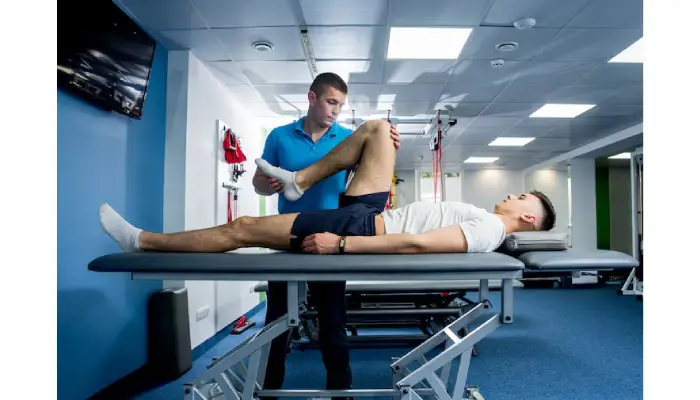
Sports physical therapy focuses on helping athletes recover from injuries while preventing new ones. The process usually starts with a thorough assessment to understand the injury’s cause and severity. Treatment plans are personalized, combining manual therapy, exercises, and techniques like ice or heat to manage pain. Rehab progresses gradually, from reducing inflammation to restoring movement and strength, tailored to fit the athlete’s sport-specific needs. Therapists also teach proper mechanics and conditioning to prevent future injuries and improve performance. Throughout rehab, ongoing support and education help keep motivation up. This approach aims not only for healthy recovery but also for returning athletes stronger than before.
What Sports Physical Therapy Covers?
Best physiotherapy in Burlington begins with a thorough assessment of injuries like sprains, strains, fractures, and tendon issues. Therapists use physical exams, movement analysis, and imaging when needed to diagnose the problem accurately. Based on this, they create personalized treatment plans that combine manual therapy, targeted exercises, and modalities such as ice or electrical stimulation. Rehabilitation follows a clear progression: starting with pain relief and inflammation control, then moving on to restoring strength and mobility. Functional training is key, focusing on regaining sport-specific skills and agility to help athletes return safely to their activities. Beyond recovery, therapists educate athletes on injury prevention by analyzing biomechanics and improving conditioning. They also work on enhancing performance through strength, flexibility, and technique improvements. For those recovering from surgery, rehabilitation is tailored to the athlete’s sport and competitive level. Managing chronic conditions linked to sports participation is another important aspect, along with addressing the psychological challenges athletes face during recovery and return to play, providing support to rebuild confidence and motivation throughout the healing process.

How Sports Physical Therapists Work with Athletes?
Sports physical therapists start by conducting a thorough initial assessment that includes reviewing the athlete’s injury history and performing a detailed physical evaluation. This helps them understand the injury’s cause, severity, and how it affects the athlete’s movement and performance. They often work closely with a team of professionals such as physicians, trainers, nutritionists, and sports psychologists to create a well-rounded approach to recovery and performance. Using this information, they design rehabilitation programs tailored to the specific sport and the athlete’s unique needs. These programs include manual therapies to reduce pain and improve joint mobility, alongside exercises aimed at restoring strength and flexibility. As recovery progresses, therapists incorporate sport-specific drills and functional training to prepare athletes for the demands of their sport. Regular re-evaluations allow therapists to monitor progress and adjust exercises to ensure steady improvement. Educating athletes on proper technique and injury prevention is a key part of their role, helping reduce the risk of future injuries. Therapists also guide athletes through safe return-to-sport timelines and protocols, balancing physical healing with mental readiness. Motivational support is provided throughout, addressing the athlete’s confidence and mental state as they navigate recovery. Many therapists now use technology such as motion analysis systems and wearable devices to gather real-time feedback, making treatments more precise and effective.
Common Sports Injuries Treated with Physiotherapy
Physiotherapy plays a crucial role in treating a wide range of sports injuries, helping athletes recover and regain function. Sprains and strains are among the most frequent injuries, involving ligament tears or muscle and tendon damage from sudden twists or overexertion. Fractures, often resulting from high-impact collisions or falls, require careful management to restore bone strength and mobility. Tendinitis is another common issue, caused by repetitive motions affecting tendons like the Achilles or elbow, leading to inflammation and pain. Joint dislocations, where bones are forced out of their normal position, demand precise rehabilitation to regain joint stability. Serious injuries like Anterior Cruciate Ligament (ACL) tears usually need surgical repair followed by intensive physiotherapy to rebuild knee strength and prevent future problems. Shoulder injuries, particularly rotator cuff tears, can limit stability and movement, requiring targeted therapy to restore function. Meniscus tears in the knee often cause pain and limit mobility, with physiotherapy focusing on reducing inflammation and improving joint mechanics. Runners frequently experience shin splints, which cause lower leg pain due to repetitive stress, and physiotherapy addresses these through strengthening and proper technique training. Neurological injuries such as concussions also benefit from specialized physiotherapy approaches that support neurological recovery and safe return to activity. Overuse injuries, often linked to training errors or biomechanical imbalances, are addressed by correcting movement patterns and gradual conditioning. Overall, physiotherapy provides tailored treatment plans that target the specific injury type, helping athletes safely return to their sport while minimizing the risk of recurrence.
Step-by-Step Sports Injury Rehabilitation Process
The rehabilitation process for sports injuries begins with a thorough initial assessment. This includes reviewing your medical history, performing a physical examination, and analyzing your movements to pinpoint the injury’s cause and severity. Managing pain and inflammation is the next crucial step, often using ice, heat, manual therapy, or electrical stimulation to support healing and comfort. Once pain is controlled, the focus shifts to restoring joint mobility and flexibility through targeted stretching exercises and joint mobilizations. Strengthening the muscles around the injury site is essential; this typically involves resistance training and core exercises tailored to your sport and injury. Functional training follows, incorporating agility drills, plyometrics, and sport-specific movements to prepare your body for real-game scenarios. Throughout the process, gradual return-to-sport plans are developed, carefully monitoring both your physical progress and psychological readiness to avoid setbacks. Education on injury prevention and proper technique is integrated to reduce the risk of future injuries. Regular progress reviews allow your therapist to adjust the treatment plan as needed, ensuring steady improvement. The final stage includes a comprehensive evaluation to confirm you are ready and safe to return to full activity and competition.
Strategies to Prevent Sports Injuries
Preventing sports injuries starts with a proper warm-up that includes aerobic activity and dynamic stretching to prepare muscles and joints for the demands of exercise. Cooling down is just as important; it should involve static stretching and light exercises to help muscles recover and reduce stiffness. Strength and conditioning programs should focus on strengthening vulnerable areas, especially the core and lower body, to provide better support and stability during activity. Maintaining flexibility through regular stretching routines or yoga can improve range of motion and reduce the risk of strains. Analyzing and correcting biomechanics and movement patterns helps identify and fix inefficient or unsafe techniques that could lead to injury. Educating athletes on proper techniques and posture ensures they perform movements safely, which is crucial for long-term health. Using appropriate equipment and footwear tailored to the specific sport can prevent undue stress on the body. Equally important is incorporating rest and recovery periods into training schedules to avoid overtraining, which often leads to fatigue-related injuries. Monitoring training loads carefully allows adjustments before fatigue sets in. Finally, staying hydrated and following a balanced nutrition plan supports tissue health and overall performance, making it easier for the body to withstand physical stress.
- Performing proper warm-up with aerobic activity and dynamic stretching
- Executing cool-down routines with static stretching and light exercises
- Strength and conditioning programs focusing on vulnerable areas like core and lower body
- Maintaining flexibility through stretching and yoga practices
- Analyzing and correcting biomechanics and movement patterns
- Educating athletes on correct techniques and posture
- Ensuring use of appropriate equipment and footwear
- Incorporating rest and recovery periods to avoid overtraining
- Monitoring training loads to prevent fatigue-related injuries
- Encouraging hydration and nutrition to support tissue health
Sports Physical Therapy in Professional Athletics
In professional athletics, sports physical therapy plays a crucial role in managing and preventing injuries to keep athletes at their best. Therapists provide immediate care during games and practices, addressing acute injuries on the spot to minimize damage and downtime. They work closely with athletic trainers, coaches, and team physicians to create a coordinated approach tailored to the athlete’s needs. Beyond injury treatment, therapists develop individualized rehabilitation and conditioning plans that focus not just on healing but also on correcting biomechanical inefficiencies that could hinder performance or cause future injury. Advanced diagnostic tools such as motion analysis and imaging help monitor recovery progress and fine-tune therapy. Return-to-play decisions are carefully managed, weighing both physical readiness and mental confidence to ensure athletes return safely and sustainably. Preventive programs are customized for each sport, aiming to reduce injury risk through targeted strength, flexibility, and technique training. Additionally, sports physical therapists support the psychological aspects of recovery, helping athletes cope with setbacks and maintain motivation. Technology like wearable sensors and real-time feedback systems enhances monitoring during rehab and training, allowing adjustments to optimize outcomes. Education on long-term health, injury prevention, and performance sustainability is also a key part of care, helping athletes maintain their peak condition throughout their careers.
Different Specialties in Sports Physiotherapy
Sports physiotherapy covers a wide range of specialties tailored to address the diverse needs of athletes. Orthopedic physical therapy focuses on bones, joints, and muscles, often dealing with injuries like fractures, ligament tears, and post-surgical rehabilitation. For younger athletes, pediatric sports physical therapy considers growth-related factors to safely support developing bodies. Geriatric sports physical therapy helps older athletes manage age-related changes while maintaining performance and preventing injuries. Neurological physical therapy specializes in conditions involving the nervous system, such as concussions or spinal cord injuries, providing targeted care for these complex cases. Cardiovascular and pulmonary therapy supports athletes recovering from heart or lung conditions, ensuring safe return to physical activity. Post-surgical rehabilitation often requires sport-specific approaches depending on the injury and surgery type to restore full function. Additionally, sports psychology is increasingly integrated with physical therapy to build mental resilience and support recovery. Nutrition guidance is also part of comprehensive care, helping athletes optimize healing and performance. Specialists in biomechanics and movement analysis use detailed assessments to correct movement patterns, reducing injury risk and improving efficiency. Technology-driven specialties are emerging, utilizing tools like motion capture and wearable devices to monitor progress and tailor treatment more precisely. Together, these specialties form a multidisciplinary approach that addresses both the physical and mental demands athletes face during injury recovery and beyond.
What to Expect When Working with a Sports Physical Therapist?
When you start working with a sports physical therapist, expect a thorough initial consultation where they will discuss your injury history, current symptoms, and personal goals. This helps them create a personalized treatment plan tailored to your specific needs and the demands of your sport. Treatment usually involves hands-on therapies such as manual techniques and various modalities like ice, heat, or electrical stimulation to manage pain and inflammation. Alongside these, you’ll follow a guided exercise program that evolves as you recover, focusing on restoring movement, strength, and flexibility. Your therapist will also educate you on managing your injury, preventing future issues, and conditioning your body properly. Regular progress checks are part of the process, allowing your therapist to adjust your plan as needed. Functional training is commonly included, featuring sport-specific drills to prepare you for the unique challenges of your activity. Beyond the physical aspects, expect support addressing the mental and emotional side of rehab, helping you stay motivated and confident. Clear communication and goal setting are emphasized throughout to keep you informed and engaged. Finally, your therapist will advise you on a safe return to sport, ensuring you’re ready to perform while minimizing the risk of re-injury.
How to Choose the Right Sports Physical Therapist?
Choosing the right sports physical therapist is essential for a smooth recovery and long-term athletic health. Start by checking their experience with athletes and familiarity with your specific sport, since understanding sport-specific demands can make a big difference in treatment effectiveness. Look for specialized certifications or advanced training in sports physical therapy, which show their commitment to this field. Communication style matters too; you want someone who listens well and builds a good rapport to keep you motivated throughout rehab. Consider practical factors like location and appointment availability to avoid unnecessary delays in care. A quality therapist will offer personalized treatment plans tailored to your injury, goals, and progress rather than a one-size-fits-all approach. Don’t hesitate to ask about their use of technology or advanced techniques, such as movement analysis or electrical stimulation, which can enhance recovery. Recommendations from coaches, doctors, or fellow athletes can provide valuable insights into the therapist’s reliability and skill. Also, a strong focus on injury prevention alongside rehabilitation is important to reduce the risk of future setbacks. Make sure your therapist is willing to coordinate with other healthcare providers involved in your care, ensuring a seamless treatment experience. Finally, understand their policies on follow-up appointments and ongoing support, as continued guidance after initial recovery can help maintain performance and prevent re-injury.
Latest Trends in Sports Physical Therapy
Sports physical therapy has embraced several innovative trends that significantly enhance injury care and recovery. Telehealth services now allow athletes to access remote consultations and guided rehab sessions, making therapy more convenient and accessible. Advanced imaging tools like MRI and ultrasound provide precise insights into injuries, enabling targeted treatment plans. Wearable technology plays a crucial role by tracking movement patterns and recovery metrics in real time, helping therapists adjust programs based on actual data. Regenerative medicine, including platelet-rich plasma (PRP) and stem cell therapies, is gaining traction for its potential to speed up tissue healing. Detailed biomechanical data obtained through 3D motion analysis offers deeper understanding of an athlete’s movement, aiding injury prevention and performance optimization. Artificial intelligence supports therapists by creating personalized treatment plans and predicting outcomes to improve success rates. Virtual reality is being explored as an immersive tool for rehabilitation exercises, making therapy more engaging and effective. Therapy protocols are continually updated with the latest evidence-based research, ensuring care reflects current best practices. There is also a growing emphasis on integrating sports psychology and nutrition within therapy programs, addressing mental and physical factors that influence recovery. Lastly, data-driven prevention strategies focus on identifying risks before injuries occur, helping athletes maintain peak performance with fewer setbacks.
Challenges Faced in Sports Physiotherapy
Sports physiotherapy involves many challenges that require skill and careful judgment. One major difficulty is accurately diagnosing complex injuries, as symptoms often overlap and causes can be varied, making it hard to pinpoint the exact issue. Managing pain effectively is another challenge, since therapists must relieve discomfort without overly relying on medications or invasive treatments. Rehabilitation needs to be balanced carefully; pushing too hard risks re-injury or delayed healing, while being too cautious can slow progress. Psychological factors also come into play, as athletes may fear movement or feel anxious about returning to their sport, which can affect recovery. Customizing rehab plans to suit different sports, positions, and individual needs adds complexity, especially considering varied recovery rates influenced by age, fitness, and injury severity. Limited access to specialized care in some areas can delay treatment, and coordinating care among doctors, trainers, nutritionists, and psychologists requires good communication across disciplines. Integrating advanced tools like 3D motion analysis and wearable sensors into everyday practice presents technical and practical challenges. Finally, insurance limitations and cost barriers often restrict the type and length of therapy athletes can receive, potentially impacting outcomes.
Benefits of Sports Physical Therapy for Athletes
Sports physical therapy offers athletes personalized treatment plans that focus on their specific injuries and performance goals. By combining manual therapy, therapeutic exercises, and various modalities, it speeds up recovery, helping athletes regain strength, flexibility, and joint mobility to levels equal to or better than before the injury. Beyond healing, it plays a crucial role in reducing the risk of future injuries through biomechanics analysis and correction of movement techniques. Therapists guide athletes through gradual, closely monitored return-to-sport programs that take both physical and mental readiness into account. Education is a key part of the process, covering injury prevention strategies, proper warm-up and cool-down routines, and conditioning exercises. This targeted approach not only manages pain effectively without overdependence on medications or surgery but also addresses muscle imbalances to improve movement efficiency and overall athletic performance. Tracking progress through clear milestones helps boost athlete confidence during rehabilitation. Ultimately, sports physical therapy supports long-term health and wellness, enabling athletes to sustain active participation in their sports over time.
Frequently Asked Questions
1. How does physiotherapy help in recovering from common sports injuries?
Physiotherapy helps by reducing pain, improving movement, and restoring strength. It uses exercises and treatments tailored to the injury to promote healing and prevent further damage.
2. What types of treatments should I expect during physiotherapy for a sports injury?
You can expect a mix of hands-on therapy, guided exercises, stretching, and possibly modalities like ultrasound or electrical stimulation, all aimed at speeding recovery and improving function.
3. How soon after a sports injury should I start physiotherapy?
Starting physiotherapy early, usually within a few days to a week after injury, can help reduce swelling and stiffness, and improve the overall recovery process. However, timing depends on the type and severity of injury.
4. Can physiotherapy help prevent future injuries once I recover?
Yes, physiotherapy often includes education and exercises to strengthen muscles and improve balance and flexibility, which lowers the chance of reinjury during sports or daily activities.
5. What role does a physiotherapist play in managing pain and inflammation from sports injuries?
A physiotherapist uses techniques like manual therapy and controlled movement to manage pain and swelling. They also guide you on how to safely increase activity and reduce discomfort throughout your recovery.
TL;DR This blog covers what sports physical therapy involves, including assessment, treatment, and rehab of common sports injuries like sprains, fractures, and ACL tears. It explains how therapists work with athletes to manage pain, restore motion, and prevent future injuries through personalized plans and education. The post also discusses specialties within sports physiotherapy, what to expect during treatment, tips for choosing the right therapist, and the latest trends like telehealth and wearable tech. Overall, sports physical therapy aims to help athletes recover safely and improve performance while minimizing injury risk.

Earle Garza is an Alabama-based health expert and writer with years of experience in the health and wellness field. He obtained his degree in nutrition science from the University of Alabama and has worked in various health clinics and spas throughout the Southeast, providing nutrition and lifestyle advice to clients. Earle is passionate about promoting healthy habits through nutrition and sharing his knowledge through his blog, which provides practical tips on leading a healthy lifestyle.