

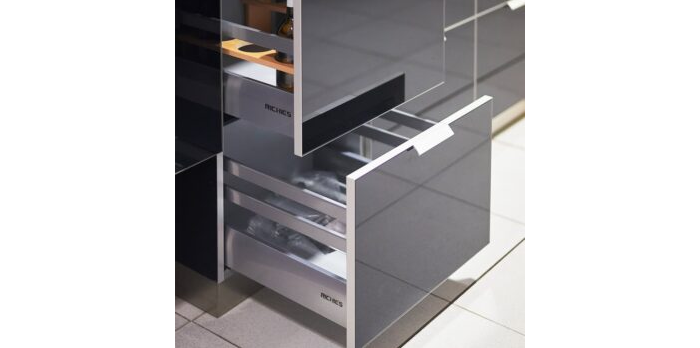
Choosing the right kitchen cabinet hinges is essential for achieving a seamless and functional design. Hinges not only ensure smooth cabinet operation but also contribute to the overall aesthetic of your kitchen. The wrong hinge can stand out awkwardly or even impact the longevity of your cabinets. To select the best hinges, you must consider factors such as your cabinet style, hinge type, finish, and installation preferences. Whether you have traditional, modern, or transitional cabinetry, the right hinge will enhance both the functionality and beauty of your kitchen.
Kitchen Cabinet Hinges
Kitchen cabinet hinges come in various types, each designed for specific cabinet constructions. Before selecting a hinge, it’s important to understand the different styles available:
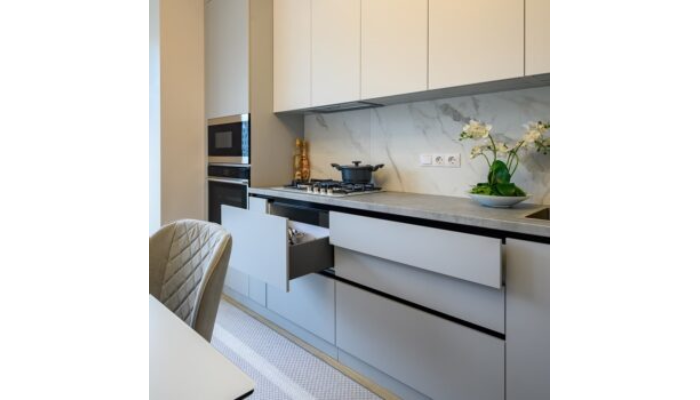
Overlay Hinges
- Used when cabinet doors extend beyond the cabinet frame
- Common in modern and semi-custom cabinetry
- Available in partial and full overlay options
Inset Hinges
- Suitable for cabinets with doors that sit flush within the cabinet frame
- Typically seen in traditional and high-end kitchen designs
- Requires precise installation for a seamless fit
European Concealed Hinges
- Completely hidden when the cabinet door is closed
- Ideal for contemporary and minimalist kitchens
- Allows for easy adjustment and a sleek finish
Butt Hinges
- A classic option for traditional cabinetry
- Partially visible when the cabinet door is closed
- Requires a mortise in the door and cabinet frame for installation
Understanding these hinge types will help you choose the best option for your kitchen cabinet style.
Matching Hinges With Different Cabinet Styles
Traditional Kitchen Cabinets
Traditional kitchens often feature raised-panel doors, intricate moldings, and rich wood finishes. For this style, exposed hinges, such as butt hinges or decorative face frame hinges, enhance the classic appearance. Antique brass, oil-rubbed bronze, or brushed nickel finishes work well to complement the warm tones of traditional cabinetry.
Modern Kitchen Cabinets
Modern kitchens focus on sleek, flat-panel cabinets with minimal ornamentation. European concealed hinges are the best choice for achieving a streamlined and contemporary look. These hinges remain hidden, maintaining the clean lines of modern cabinetry. A soft-close feature is also beneficial in modern kitchens to enhance functionality.
Transitional Kitchen Cabinets
Transitional kitchens blend elements of traditional and modern styles. Overlay hinges or semi-concealed hinges work well for this versatile design. A brushed nickel or matte black hinge finish can add a touch of sophistication without overpowering the aesthetic.
Farmhouse Kitchen Cabinets
Farmhouse kitchens embrace rustic charm with shaker-style cabinets, distressed finishes, and vintage-inspired hardware. Exposed hinges, such as butt hinges or surface-mounted hinges, add character to the cabinetry. Choosing hinges with a weathered or antique finish complements the farmhouse style beautifully.
Choosing The Right Hinge Finish
The finish of your kitchen cabinet hinges plays a significant role in coordinating with other kitchen elements. Consider these popular hinge finishes:
- Brushed Nickel – Works well with stainless steel appliances and modern designs
- Oil-rubbed bronze – Complements traditional and rustic kitchens
- Matte Black – A stylish choice for contemporary or industrial-style kitchens
- Antique Brass – Enhances vintage or farmhouse aesthetics
- Polished Chrome – Adds a sleek and modern touch to cabinets
Selecting a hinge finish that harmonizes with your cabinet handles, drawer pulls, and appliances ensures a cohesive kitchen design.
Functional Considerations For Kitchen Cabinet Hinges
Beyond aesthetics, functionality is a key factor when choosing kitchen cabinet hinges. Here are some practical aspects to keep in mind:
- Soft-Close Feature – Prevents doors from slamming, reducing noise and wear on the cabinet
- Adjustability – Hinges with adjustable screws allow for precise door alignment
- Durability – Opt for high-quality materials like stainless steel or solid brass for long-lasting performance
- Easy Installation – Some hinges, like clip-on European hinges, simplify installation and maintenance
These features enhance both the usability and longevity of your kitchen cabinets.
Installation Tips For Kitchen Cabinet Hinges
Proper installation ensures that your kitchen cabinet hinges function smoothly and align correctly with the cabinet doors. Follow these steps for a successful installation:
- Measure Accurately – Determine the correct placement of the hinge on the cabinet door and frame.
- Mark the Hinge Position – Use a pencil to mark where the screws will be installed.
- Pre-Drill Holes – Prevent wood splitting by drilling pilot holes before inserting screws.
- Attach the Hinge to the Cabinet Door – Secure the hinge firmly with screws.
- Mount the Hinge to the Cabinet Frame – Align the door properly before tightening the screws completely.
Taking your time during installation ensures a professional and functional result.
Conclusion
Selecting the right kitchen cabinet hinges is essential for both the aesthetic and practical aspects of your kitchen. By matching hinges to your cabinet style, choosing the right finish, and considering functional features, you can create a cohesive and high-performing kitchen design. Whether your kitchen leans toward traditional, modern, or transitional, the perfect hinge will enhance the overall look and usability of your cabinetry. Proper installation and maintenance will further ensure that your cabinets remain in excellent condition for years to come.

Audrey Shafer is a seasoned writer specializing in the dynamic world of business. With a keen analytical mind and a passion for entrepreneurship, Audrey delves into diverse topics ranging from startups to corporate strategy.