

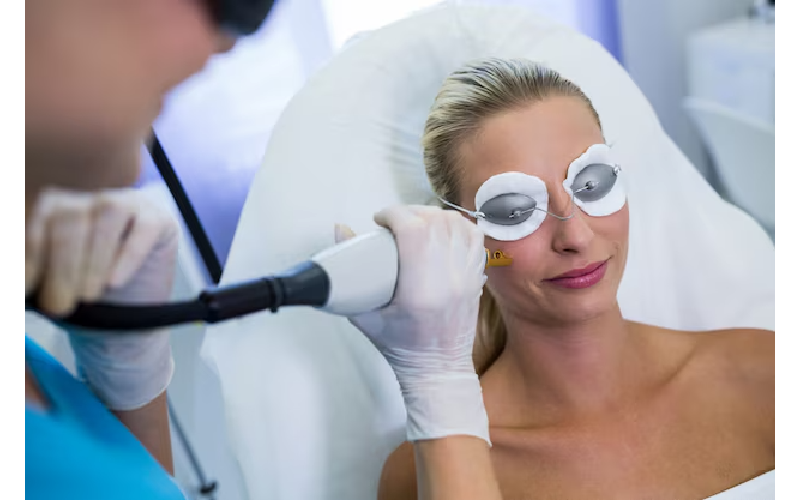
Melasma is a common skin condition that results in dark, discolored patches, primarily on the face. It often affects individuals with darker skin tones and is more prevalent among women due to hormonal influences like pregnancy or birth control pills. Sun exposure is a significant factor in triggering and worsening melasma. While topical creams and chemical peels can help, Melasma Laser Treatment has emerged as a more effective solution for reversing skin damage caused by this condition.
Causes And Symptoms Of Melasma
Melasma Laser Treatment develops due to an overproduction of melanin, the pigment responsible for skin color. It can be triggered by various factors, including:
- Hormonal changes (pregnancy, birth control pills, hormone therapy)
- Prolonged sun exposure
- Genetic predisposition
- Stress and certain medications
The symptoms of melasma include brown or grayish patches on the face, particularly on the cheeks, forehead, upper lip, and chin. Unlike other skin conditions, melasma does not cause pain or discomfort but can significantly impact self-confidence and overall skin appearance.
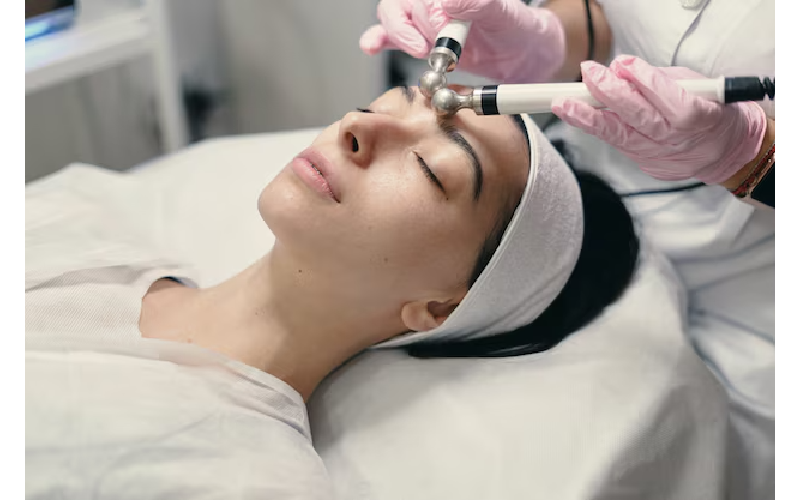
What Is Melasma Laser Treatment?
Melasma Laser Treatment is a non-invasive procedure that targets the excess melanin in the skin, breaking down pigment particles without damaging surrounding tissue. Different types of lasers, such as Q-switched Nd:YAG, Pico lasers, and fractional lasers, are used depending on the severity and depth of pigmentation.
How Laser Treatment Works?
Laser treatment for melasma works by delivering controlled pulses of light energy into the skin, breaking down melanin clusters into tiny fragments. These fragments are then naturally eliminated by the body’s immune system. Unlike topical treatments, which only address surface pigmentation, laser therapy penetrates deeper layers of the skin, offering longer-lasting and more effective results.
Benefits Of Melasma Laser Treatment
- Targeted Pigmentation Reduction – Laser treatment precisely targets melanin deposits, lightening dark patches without affecting the surrounding skin.
- Minimal Downtime – Most laser treatments are quick, with minimal to no downtime, allowing patients to resume daily activities almost immediately.
- Long-Lasting Results – Compared to creams and chemical peels, laser therapy provides more permanent results by addressing pigmentation at a deeper level.
- Skin Rejuvenation – In addition to treating melasma, laser therapy improves overall skin texture, reducing fine lines and promoting collagen production.
- Safe and Effective – When performed by a qualified dermatologist, Melasma Laser Treatment is safe for most skin types with minimal side effects.
Different Types Of Lasers Used For Melasma Treatment
Several laser types are used to treat melasma effectively, each with unique benefits:
- Q-Switched Nd:YAG Laser – One of the most commonly used lasers for melasma, it penetrates deep into the skin and targets melanin clusters.
- Pico Laser – Uses ultra-short laser pulses to break down pigmentation more efficiently, with minimal risk of post-inflammatory hyperpigmentation.
- Fractional Lasers – Stimulate collagen production while targeting pigmentation, improving overall skin texture and tone.
What To Expect During And After Treatment?
Before undergoing Melasma Laser Treatment, a consultation with a dermatologist is essential. During the procedure:
- A numbing cream may be applied to minimize discomfort.
- The laser device is moved over the affected areas, emitting short pulses of light.
- The session typically lasts between 20 to 45 minutes, depending on the area being treated.
After treatment, patients may experience mild redness and slight swelling, which usually subside within a few hours. Proper post-treatment care includes:
- Avoiding direct sun exposure and using broad-spectrum sunscreen (SPF 50 or higher).
- Keeping the skin hydrated and avoiding harsh skincare products.
- Following the dermatologist’s recommendations for skincare and follow-up sessions.
How Many Sessions Are Required?
The number of laser sessions required varies based on the severity of melasma. Most patients see noticeable improvements after 3 to 6 sessions, spaced about 4 weeks apart. Maintenance sessions may be needed to sustain long-term results, especially if melasma is triggered by hormonal factors.
Potential Side Effects And Risks
While Melasma Laser Treatment is generally safe, some side effects may occur, such as:
- Temporary redness or swelling
- Mild discomfort or a warming sensation
- Slight risk of post-inflammatory hyperpigmentation (especially in darker skin tones)
To minimize risks, it is crucial to choose an experienced dermatologist and follow post-treatment care instructions diligently.
Who Is A Suitable Candidate For Laser Treatment?
Laser treatment is suitable for individuals who:
- Have persistent melasma that does not respond to topical treatments
- Are in good overall health with no active skin infections
- Understand the importance of sun protection and post-treatment care
- Have realistic expectations regarding treatment outcomes
Alternative Treatments For Melasma
In addition to laser treatment, other methods can help manage melasma, including:
- Topical Creams – Hydroquinone, kojic acid, and tranexamic acid help lighten pigmentation.
- Chemical Peels – Exfoliate the skin to reduce melasma patches over time.
- Microneedling with PRP – Stimulates skin regeneration while improving pigmentation.
Conclusion
If you struggle with stubborn melasma and have tried various treatments without success, Melasma Laser Treatment may be the ideal solution. It offers a safe, effective, and long-term approach to reducing pigmentation and improving skin health. However, consulting a dermatologist is essential to determine the best treatment plan tailored to your skin type and condition. With the right care and preventive measures, you can achieve clearer, more radiant skin and regain your confidence.

Audrey Shafer is a seasoned writer specializing in the dynamic world of business. With a keen analytical mind and a passion for entrepreneurship, Audrey delves into diverse topics ranging from startups to corporate strategy.