

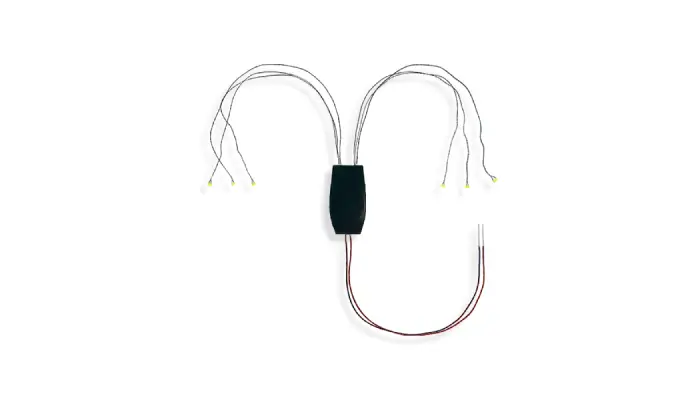
Small LED light bulbs represent a remarkable evolution in home lighting, transforming the way we illuminate our living spaces. With their compact size and versatility, these bulbs can easily fit into various fixtures, from table lamps to recessed lighting, without compromising on brightness or effectiveness. Their energy-efficient design allows them to produce the same amount of light as traditional bulbs while consuming significantly less electricity. For instance, a small LED bulb may use only 8 to 12 watts to generate the equivalent brightness of a 60-watt incandescent bulb. This substantial reduction in energy consumption not only helps homeowners save on electricity bills but also contributes to a more sustainable future by reducing greenhouse gas emissions. Additionally, small LED light bulbs typically have a lifespan of up to 25,000 hours or more, meaning fewer replacements and less waste over time. In essence, transitioning to small LED light bulbs is a practical choice for homeowners looking to enhance their lighting while simultaneously promoting environmental stewardship and cost savings.
Exploring The Benefits Of Small LED Light Bulbs
The decision to switch to small LED light bulbs is not merely a trend; it is rooted in a plethora of benefits that can significantly enhance the quality of your home lighting experience. First and foremost, the energy efficiency of small LED bulbs is unmatched, as they convert a higher percentage of energy into light rather than heat, unlike traditional incandescent bulbs. This efficiency results in lower energy costs, which is especially beneficial in today’s economy where utility prices are on the rise. Furthermore, small LED bulbs are available in a wide range of color temperatures, allowing homeowners to select the perfect ambiance for any room—whether it’s the warm glow of a cozy living room or the bright, invigorating light ideal for a home office. Beyond aesthetics, these bulbs are also more durable and resistant to shocks, vibrations, and temperature fluctuations, making them a safer option, especially in high-traffic areas or outdoor settings. Importantly, LED bulbs do not contain harmful substances such as mercury, which is commonly found in fluorescent bulbs, thus posing less risk to both human health and the environment.
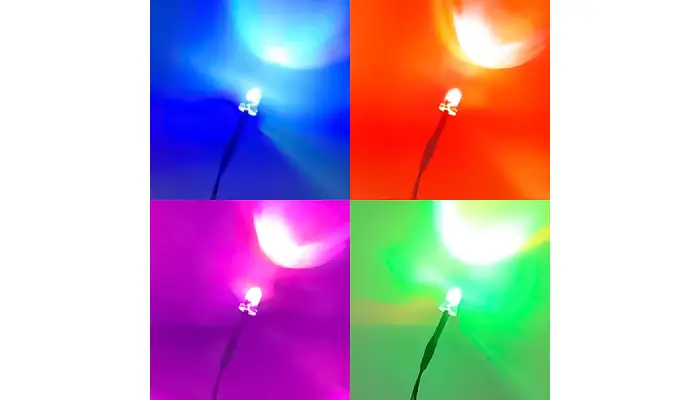
How Small LED Light Bulbs Are Revolutionizing Home Lighting Solutions?
Small LED light bulbs are not just changing the way we light our homes; they are revolutionizing the entire concept of illumination and design. Traditionally, lighting has been considered a mere functional element of home design, but with the advent of LED technology, it has become an integral aspect of aesthetic appeal and energy management. Homeowners are now empowered to design lighting schemes that enhance their living spaces in innovative ways. The compact size of small LED bulbs allows for creative fixture designs that can complement any interior décor, from minimalist modern styles to more eclectic vintage looks. Additionally, with the rise of smart home technology, many small LED bulbs are now compatible with smart lighting systems, enabling users to control brightness, color, and even scheduling through smartphone apps or voice-activated devices. This level of control allows homeowners to create dynamic environments that can change with their moods, activities, or even the time of day. Furthermore, the ongoing development of LED technology continues to enhance the brightness and color range available in these small bulbs, further expanding their utility and versatility in home lighting solutions.
Choosing The Right Small LED Light Bulbs: Tips For Selecting The Best Options
Navigating the world of small LED light bulbs can initially seem overwhelming due to the wide array of options available on the market. However, understanding a few key factors can simplify the selection process and ensure you choose the best bulbs for your needs. First, consider the brightness you require, typically measured in lumens. A higher lumen rating means a brighter light, which is essential for tasks such as reading or cooking. In contrast, softer lighting with lower lumens may be suitable for creating ambiance in bedrooms or living areas. Additionally, pay attention to the color temperature, which is measured in Kelvins (K). Bulbs with lower Kelvin ratings (around 2700K to 3000K) emit a warm, inviting light, while higher ratings (5000K and above) produce a cooler, more energizing light. Another critical aspect is the bulb’s compatibility with existing fixtures and dimmer switches. Not all LED bulbs work with dimmer switches, so be sure to check for compatibility if you plan to use them in a dimmable setting. Furthermore, consider the beam angle, which affects how the light is distributed. A narrow beam angle is ideal for focused tasks, while a wider angle is better for general illumination.
Small LED Light Bulbs: Eco-Friendly Lighting Solutions For Sustainable Living
In an era where environmental sustainability is more critical than ever, small LED light bulbs stand out as eco-friendly lighting solutions that align with green living principles. One of the primary environmental benefits of LED technology is its energy efficiency; small LED bulbs consume significantly less energy compared to traditional incandescent or halogen bulbs. This reduction in energy usage leads to decreased demand for electricity, which, in turn, reduces greenhouse gas emissions associated with energy production. Additionally, small LED bulbs have a much longer lifespan—often exceeding 25,000 hours—meaning fewer bulbs need to be manufactured and disposed of over time. This longevity translates to reduced waste in landfills and a lower overall environmental impact. Moreover, small LED bulbs are free from toxic materials such as mercury, commonly found in fluorescent lighting, making them safer for both users and the environment. As awareness of environmental issues grows, many consumers are seeking ways to reduce their carbon footprint, and switching to small LED light bulbs is a straightforward yet impactful step toward achieving that goal. By choosing these eco-friendly lighting options, homeowners can enjoy quality illumination while contributing to a more sustainable future for our planet.
The Future Of Illumination: How Small LED Light Bulbs Are Leading The Way?
The future of illumination is bright, and small LED light bulbs are at the forefront of this evolution. As technology continues to advance, we can expect to see even more innovative features and applications of LED lighting. One of the most exciting developments is the integration of smart technology into small LED bulbs. Many new models now come equipped with smart features, allowing users to control their lighting remotely, set schedules, and even customize color options through smartphone apps or voice commands. This level of interactivity not only enhances convenience but also allows for greater energy management, as users can adjust their lighting based on their daily routines. Furthermore, as the demand for energy-efficient solutions grows, manufacturers are continually researching ways to improve the efficiency and performance of LED technology. This includes advancements in color rendering, which allows LED bulbs to mimic the natural spectrum of sunlight more closely, enhancing the visual experience within a space. Additionally, we can anticipate the emergence of more sustainable manufacturing practices that reduce the environmental impact of producing small LED light bulbs. Overall, the future of illumination is poised for exciting developments, and small LED light bulbs will undoubtedly play a crucial role in shaping the way we light our homes and public spaces.
Understanding The Lifespan Of Small LED Light Bulbs: How Long Can They Last?
Understanding the lifespan of small LED light bulbs is crucial for homeowners looking to maximize their investment in energy-efficient lighting solutions. One of the standout features of LED technology is its longevity; small LED bulbs can last anywhere from 15,000 to over 25,000 hours, depending on the quality of the bulb and its usage conditions. This lifespan far exceeds that of traditional incandescent bulbs, which typically last about 1,000 hours, and even longer than compact fluorescent lamps (CFLs), which last around 8,000 to 10,000 hours. The extended lifespan of small LED bulbs can be attributed to their solid-state design, which is more resistant to damage from shock and vibration compared to fragile glass bulbs. Additionally, LED bulbs are less likely to experience performance degradation over time; they maintain their brightness and color quality for a more extended period, ensuring consistent illumination. However, it’s essential to note that several factors can influence the lifespan of small LED bulbs, including heat management, voltage stability, and the quality of the fixture in which they are instalLED. By selecting high-quality bulbs and using them in appropriate fixtures, homeowners can ensure they get the most extended lifespan possible, ultimately reducing the frequency of replacements and contributing to a more sustainable lighting solution.
Conclusion
In conclusion, small LED light bulbs represent a significant advancement in lighting technology, offering numerous benefits that make them a smart choice for any home. Their energy efficiency, longevity, and versatility are complemented by the potential for innovative features, especially with the integration of smart technology. As consumers increasingly prioritize sustainability and cost-effectiveness, small LED light bulbs provide an eco-friendly solution that aligns with these values. By understanding the various aspects of small LED bulbs—from their advantages and selection criteria to their future potential—homeowners can make informed decisions that not only enhance their living spaces but also contribute to a more sustainable and energy-efficient future. Whether you are looking to upgrade your home lighting or simply replace old bulbs, small LED light bulbs offer a pathway to improved illumination while benefiting both your wallet and the planet.

Audrey Shafer is a seasoned writer specializing in the dynamic world of business. With a keen analytical mind and a passion for entrepreneurship, Audrey delves into diverse topics ranging from startups to corporate strategy.